
“For the Celtic peoples, the land was inspirited, able to reflect whatever was done upon it. The concept of the land as inert, unable to respond, was foreign to them. There was also a sense that not every inch of land could be used for human purposes, that some was to be set aside as sacred to the spirits of the land.
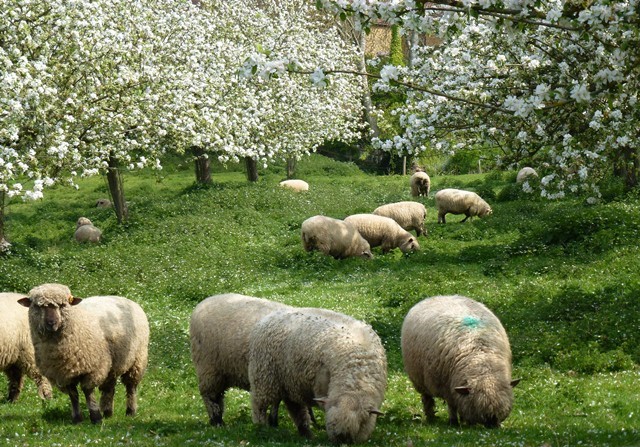
The prosperity of the land, the abundance of flocks and herds, the fertility of fields and orchards – all these were dependent upon the sacred ordering that gave respect to the spirit of the land. This intrinsic knowledge arose from the land itself and was mirrored in the way people behaved and believed. In an age when few of us actually work the land with our own hands, this knowledge is now retreating and we begin to see the products of the soil as commodities rather than as inhabitants of the natural order.
The very land and its inhabitants speak to us of spirit and sacred order if we will listen to them. It is in the patient tending and listening that those who have worked the land for generations know when a plant or animal needs particular things, and when some profound wisdom is being conveyed. If we make the spaces for these moments of transmission, create opportunities for communication between ourselves and the land, we may begin to embody the sacred orderliness that maintains our whole ecology.”
Caitlin Matthews
 Chorlton Unitarians