
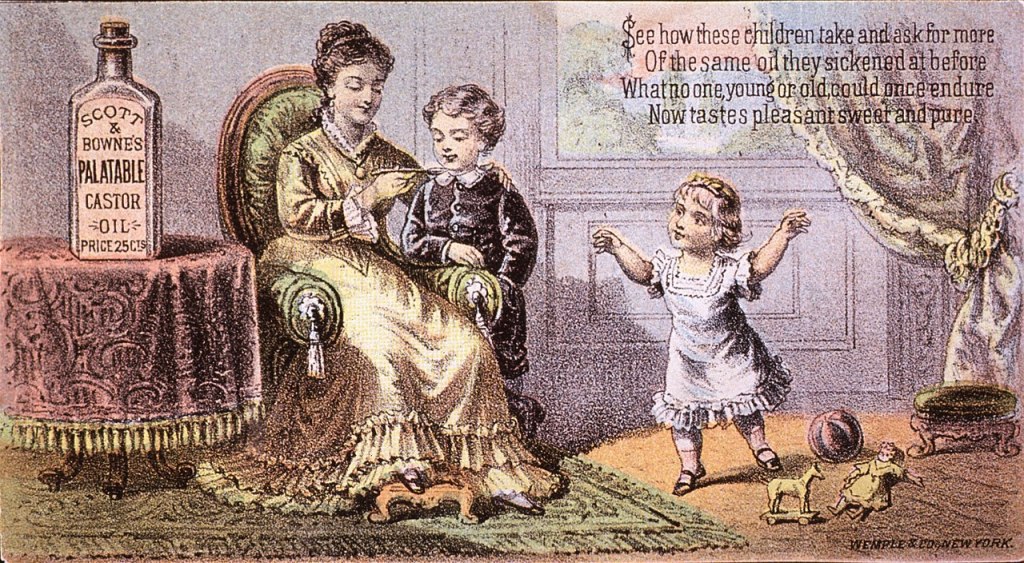
“If you have ever tried to give strong-tasting medicine to an animal of child, you have encountered (probably with some frustration) the full extent of unwillingness. The same frustration sometimes arises when we try to persuade someone to our way of seeing something; no matter how many times we explain our perspective, the listener’s understanding does not come to the place of realization. It is just not within range of his will.
In our lives we must do many things contrary to our consent: out of duty, expediency, or consideration for others. Our ability to show willingness is often a measure of our maturity, a skill honed by circumstance, upbringing, and experience. But these very factors often have the reverse effect; that is, they detach us from our own will.
When we do spend time trying to define our will, it is often a shock to find how much of what we think of as our own opinion, our full consent, our true will is formed by the opinions, wishes, and desires of others. Sorting the grit from the grain takes a lot of perseverance.
Will without maturity is of no service to us; we must know when we can compromise it and when we should defend it.”
From The Celtic Spirit: Daily Meditations for the Turning Year by Caitlin Matthews
 Chorlton Unitarians