
“”World-mothering air, air wild,
Wound with thee, in thee isled,
Fast home, fast fold thy child.”
Gerard Manley Hopkins, The Blessed Virgin Compared to the Air We Breathe
The breath of life has always had a special, sacred meaning for people worldwide, since it is the mark of our mortality. The first and last breaths are marked with particular attention: as air is drawn into a baby’s lungs for the first time, the soul is considered to be truly incarnate; as the death rattle heralds the last exhalation of air, we know that the soul is unhoused, free to return to the unseen world. Our continual breathing in and out is a reminder of these two moments wherein we are recreated anew.
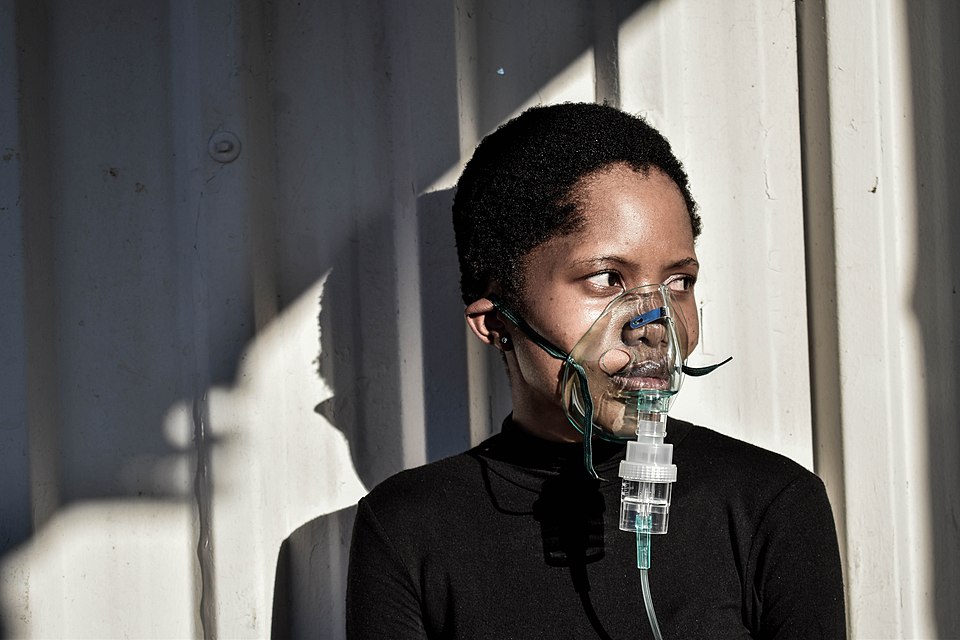
The air that we take for granted is now polluted by industrial production, petroleum fumes, and other unpleasant exhalations. The immensity of this desecration of our atmosphere leaves us feeling powerless, since its cure depends on the whole world cooperatively using wiser strategies to protect the environment from damage. It may mean using our cars less, or switching off the motor when we are waiting; it may involve us influencing governments and industries to use environmental-friendly solutionss, remembering that politicians are in power because they represent the people. But the task that we can each engage in on a daily basis is a respectful acknowledgment of the sacred breath of life.
The Irish expression for taking one’s time translates literally as “drawing one’s breath.” If we make it our practice to spend a short time each day remembering the holy element of air, we restore the original blessedness with our prayerful in-and-out breathing: “Blessed be the precious and preserving air that sustains our life!””
From The Celtic Spirit: Daily Meditations for the Turning Year by Caitlin Matthews
 Chorlton Unitarians