“Civil rights are civil rights. There are no persons who are not entitled to their civil rights… We have to recognize that we have a long way to go, but we have to go that way together… We cannot afford to be separate. We have to see that all of us are in the same boat.”
Dorothy Height, civil rights activist, who died on this day in 2010
“In the presence of whales a hush falls over people. Sacred awe, so profound that it becomes the deepest of meditative silence. Even when children are present they intuitively drift into the quietest of quiet. We have entered a temple of soaring grandeur, into a sacred space that transcends all cultures, all language, and all religions. Our hearts, our bodies, our thoughts, and voices respond. It is a place of “ah” where awe dwells.
What is it about silence, this sacred hush? In this silence there is a soft gentleness. Unconsciousness drifts away and one becomes supremely conscious. This is not imposed silence that evokes an urge to rebel and make noise, this is not the cold silence of anger refusing to speak, or the awkward silence of not knowing what to say. It is the silence of reverence.
In this silence, as in all types of meditation, the clutter of life falls away, all of the details and “shoulds”, plans and goals dissolve. The whales and the sea absorb them. The sense of internal and external ceases. As the quiet ensues, the mind and body expand, becoming different, somehow more, deeper, wider. We are touching and being touched by awe. In this cathedral of the sea, the awe radiates into exquisite love and we are engulfed in an embrace.”
“Heaven is my father and earth is my mother, and I, a small child, find myself intimately between them. What fills the universe I regard as my body: what directs the universe I regard as my nature. All people are my brothers and sisters: all beings are my companions. Those who are tired, infirm, crippled, or sick: those who have no brothers or children, wives or husbands: all are my sisters and brothers who are in distress and have none to turn to.”
Zhang Zai, Chinese philosopher and politician (1020 – 1077)
“He allowed himself to be swayed by his conviction that human beings are not born once and for all on the day their mothers give birth to them, but that life obliges them over and over again to give birth to themselves.”
From Love in the Time of Cholera by Gabriel García Márquez, who died on this day in 2014
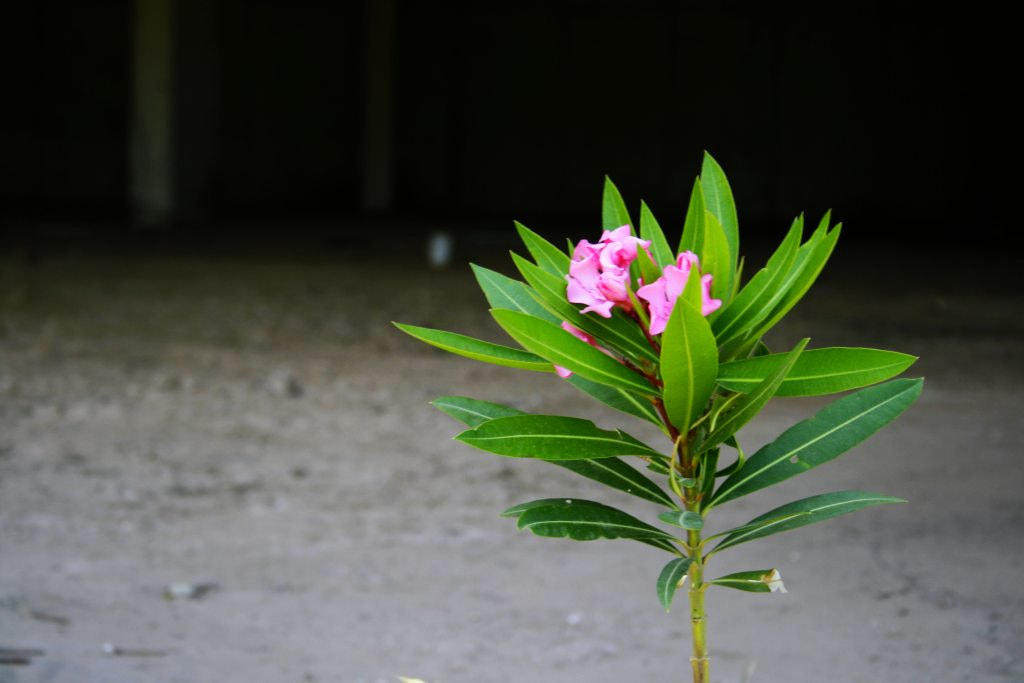
“Walk out on your driveway, or on a pavement around your home and study the concrete closely; it’s starting to break. The earth will only tolerate tarmac for so long. How do those buds make their way through inches, even feet, of solid industrial paving, to send a few gentle sprouts up to the open air?
Build, raze, or pave how you will, manicure your lawns as you choose, dig swimming pools or raise towers, and yet sooner or later, nature will break through. But this is not a cause for despair at how your plans are being confounded – for you are a part of nature as well. Like these April sprouts, keep growing, keep pushing up through the crevices toward the sun.”
“Owning up to being an animal, a creature of Earth. Tuning our animal senses to the sensible terrain: blending our skin with the rain-rippled surface of rivers, mingling our ears with the thunder and the thrumming of frogs, and our eyes with the molten gray sky. Feeling the polyrhythmic pulse of this place – this huge windswept body of water and stone. This vexed being in whose flesh we’re entangled. Becoming Earth. Becoming animal. Becoming, in this manner, fully human.”
“Constancy, perseverance, and questioning are the three requisites of the spiritual life. Constancy to our self-respect, to our spiritual quest, and to any true teachers whom we meet will encourage and support our progress. Perseverance in prayer, meditation, and the implementation of spiritual practices will maintain our quest; and if certain of those practices are not working for us, perseverance until we find a practice that does will return us to the right path. A questioning tongue and heart are also essential as we seek to stay on that path: regular self-clarification and the self-questioning of our motives, the questioning of teachers and spiritual allies regarding things that concern us, and the questioning of anything within our tradition that is not manifesting the spiritual message will ensure ensure that our path is a clear one, that we are not merely accepting the unclarity of others.”
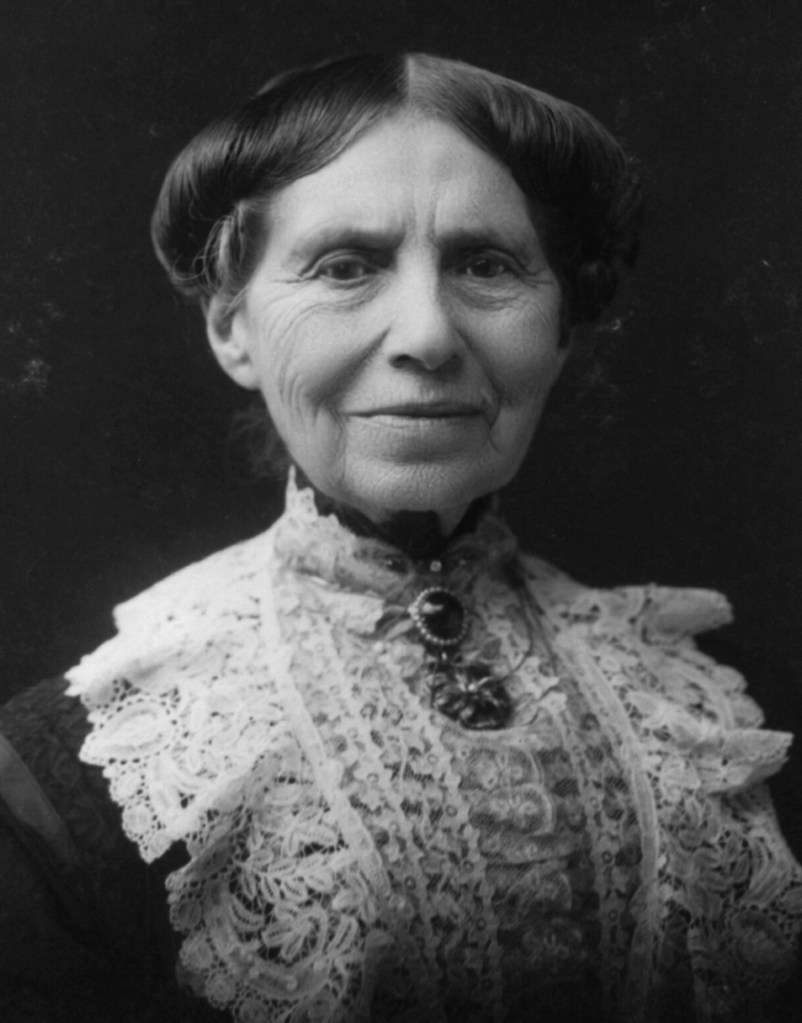
“It irritates me to be told how things have always been done. I defy the tyranny of precedent. I cannot afford the luxury of a closed mind… The door that nobody else will go in at, seems always to swing open widely for me.”
Clara Barton, Universalist founder of the American Red Cross, who died on his day in 1922
“Be soft. Do not let the world make you hard. Do not let the pain make you hate. Do not let the bitterness steal your sweetness. Take pride that even though the rest of the world may disagree, you still believe it to be a beautiful place.”
Kurt Vonnegut, Unitarian Universalist writer, who died on this day in 2007








 Chorlton Unitarians