From Earth Bound: Daily Meditations for All Seasons by Brian Nelson,
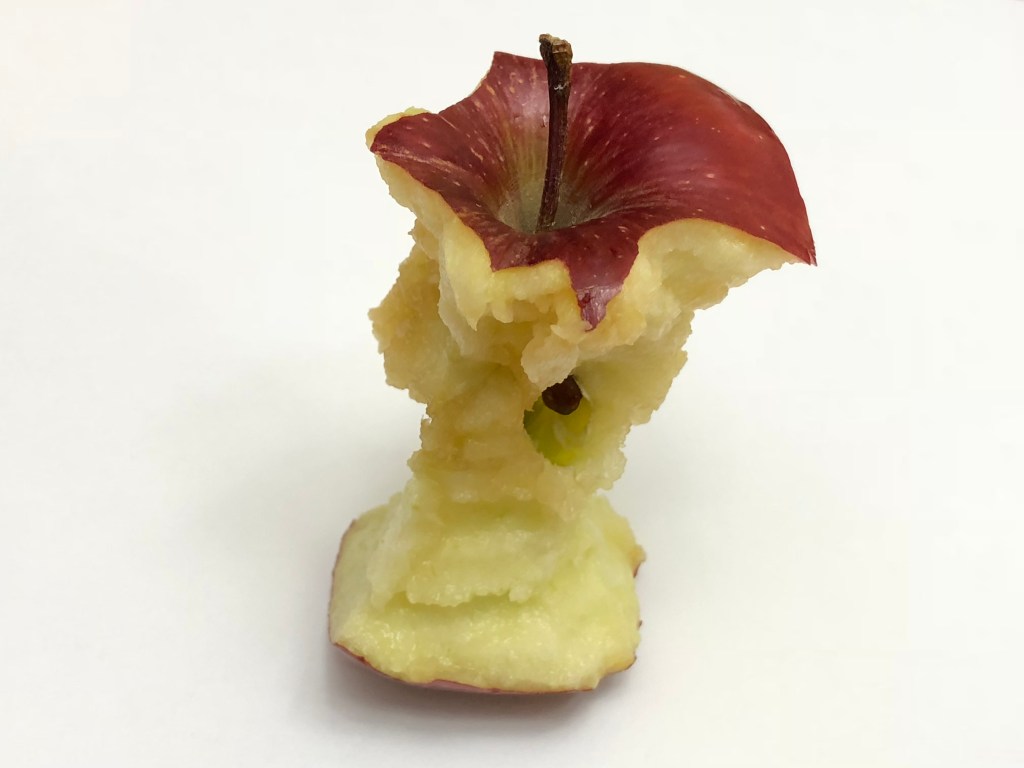
“The apples are ripe now, and their names have histories as rich as the apples themselves – Granny Smith, Delicious, Gala. The name Delicious was decided upon long before the first such apple was grown. It had been selected as a marketing device and held in reserve until, after many journeys through orchards, after many tastes and trials, an apple that really deserved the title was identified.
Maybe we should adopt this strategy ourselves. Maybe the Delicious apple only appears when we’ve decided that’s what we’re looking for. To find the delicious, to live in joy, to breathe in peace – whatever our goal, we may taste many sour apples in search of it. But the more dedicated we are to the search, the more likely it is that nature will provide.”
“Most of the leaves are gone from the maple. Other years it’s glowed with color, but in drought the leaves just turned brown and dropped. Sometimes you just can’t afford that kind of gaudy joy. But now there are seeds by the tens of thousands, the sidewalk heaped in little brown wings, flocks of seed angels come to earth. I know I’ll be grumbling as I pull sprout after sprout when the rains come. But for now let me be a witness that letting go is not the same as giving up, that we could forgo glamor for the sake of the next generation, that creation is the first principle, to which we all belong.”
From Crescent and Heart by Murshid Samuel L. Lewis (creator of the Dances of Universal Peace), born on this day in 1896,
“What are words but praises of echo! But music is the gift of the Beneficent; From Him it came and to Him it shall return. Therefore song is my prayer and prayer is my song..
Let me sing until I am nothing but a voice, Let me pray until I am nothing but a prayer..
Is there no end to music? Is there no completion of glorification? Tell them the end of music is the end of the world, And the cessation from glorification is the victory of night; So long as is music is the world, So long as is glorification is existence. Some seek the end of doing and undoing, But who is the Doer and what is done? With a song came the World and by music is it sustained, And the soul of man is a note of revelation. Nought are ye but songs, and as ye sing, ye are; From the heart comes the voice of courage, From the heart the sound of mercy, From the heart the assurance of Truth. Wherefore the beat of the heart save to continue the tempo? What is the theme of the heart except everlasting love? The body may go but the heart beat continues, The mind may cease but the heart beat rolls on, The breath may dissolve but the heart keeps its rhythm, And the dreamer awakes as a heart-beat in the Cosmos, Arising from the Heart, returning to the Heart, Witnessing the scheme of things on his journey, From the unknown known to the Known unknown In the Infinite ocean of Love.”
“Tonight we will have a party Only for the broken pieces. Only the crooked and the blunt ones Are welcome tonight; The shattered and the stained can come, But you perfected ones should stay away. All the orphans and exiles Will be arriving soon with their Bundles of rags and sorrow. Make room, you bright angels: Now the wounded are coming home. Tonight will be a celebration of our tragedies And our petty stupidities, Our shameful transgressions, The unedifying failure To become what we might have been In other, more radiant lives. Here are the unrelinquished griefs And the never-forgiven slights; Here is the stuttering clumsiness And all the stagnant laziness. Here is the hollow In my heart. Come in. Welcome. I’m so glad you’re here. Outside, the Buddhas And the Saints are laughing. In here, there is a quieter Communion of our tragedies. Sit. There is food and cheap wine, A warm fire and candles. Eat. Drink. Then speak, And we will all weep Sticky and graceless tears. At this party, we are dancing To the tune of ten thousand folksongs, Each one of imperfection And darkly holy for it. This is the party for the broken. Imperfect music plays For imperfect dancers. Imperfect speeches are Imperfectly spoken. We bang tables and forget Our words and Wash the floor with our tears. You shattered and stained beauties, All crooked and graceless as you are, Blunted by the hard world of death, Love and the push of time’s spear; You who are more glorious than statues, As rich in stories as pirates, As worthy as comets or stars, This is the secret I want, Tonight, to tell you: Our dark-tongued singing Reaches heavens even the Saints don’t know; Our graceless, defiant dancing Opens up the whole Universe. The broken world is our country. The struggle is our homeland. Tonight, let the Buddhas be silent; In here, we will raise our glasses To our brokenness, howl And sing so loud and badly That all the bright and dark Heavens will hear our song.”
“All my days I have been careful never to pluck a blade of grass or a flower needlessly, when it had the ability to grow or blossom. You know the teaching of our sages that not a single blade of grass grows here on Earth that does not have an angel above it, commanding it to grow. Every sprout and leaf says something meaningful, every stone whispers some hidden message in the silence—every creation sings its song.”
“Real knowledge is knowing oneself in the soul and heart: if you don’t know yourself, all books read won’t it impart. Why read many books? To know the One, All-Powerful! If you read but don’t know it’s but a start, don’t depart! Do not boast of reading, of science, prayer and reverence: if you can’t see man as God any learning isn’t very smart. The Holy Book’s real meaning is in the alphabet’s first letter: preachers talk about that, what does it mean, make a start! O holy one, Yunus says: go on pilgrimage if necessary a hundred times, but if asked I’ll tell you, best to visit heart.”
“You are the heaven and You are the earth, You are the day and You are the night, You are all pervading air, You are the sacred offering of rice and flowers and of water; You are Yourself all in all, What can I offer You? Wander from shrine to shrine, visit gods, look all over for fulfilment. The further away you look from your own self, the greener seems the next heap of grass. The way is like a herb garden: enclose it with silence, self-restraint, and actions that follow these. Then offer everything you do on the Mother’s altar. Gradually your whole crop of deeds gets eaten, and only emptiness remains.”
From Strength in the Storm: Transform Stress, Live in Balance & Find Peace of Mind by Eknath Easwaran
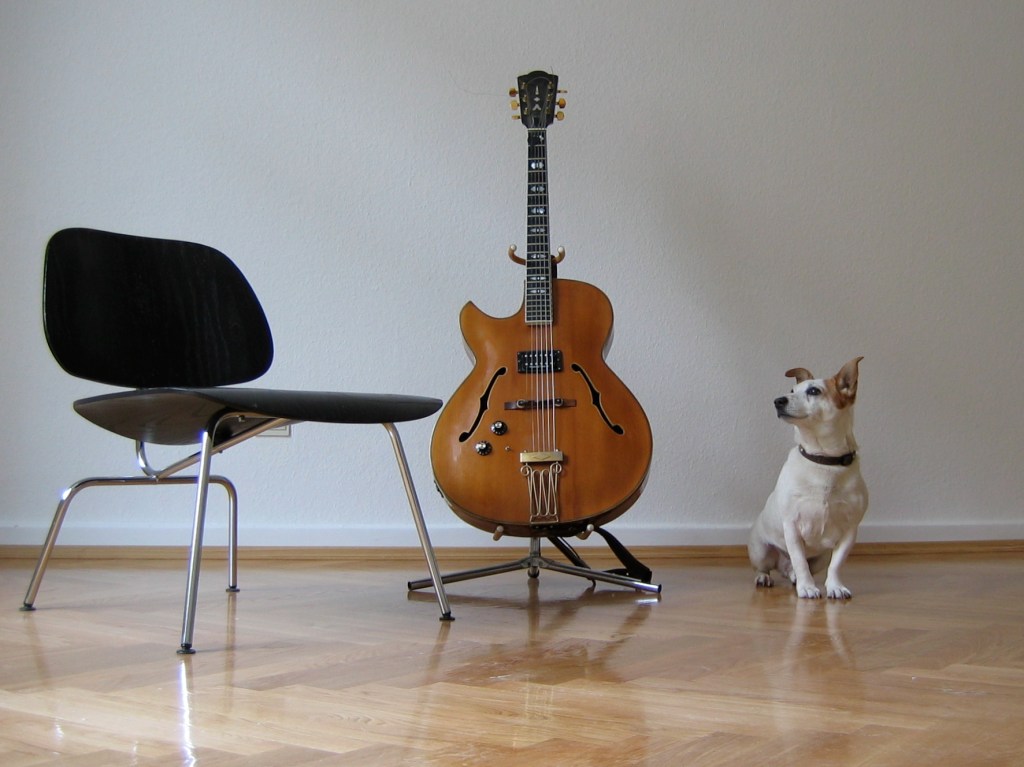
“One of the curious games I learned as a Boy Scout was musical chairs. There would be thirteen of us and only twelve chairs, and we would all circle around while someone sang our Scout song. Whenever the singer stopped, everyone had to find a seat – and of course, one boy would be without.
Each time around, one more chair would be taken away. As the game got faster and faster, we would begin to push each other and do all kinds of impossible things like trying to jump on a chair from behind, panicky because we were afraid we’d be out of the game.
Many people seem to treat life like this. Time keeps taking away the chairs, and we run around in more and more of a panic trying to get a seat – even if it means someone else will have to go without.
But in every age and culture there are a few – people like Francis of Assisi, Teresa of Avila, Mahatma Gandhi – who find this approach to life as meaningless as the game. After a few rounds of scurrying like the rest of us, they quietly step aside.
Like children, we might feel sorry for them. “Poor Francis! He can’t run around any more.” But we have to admit they seem to enjoy their choice. Great spiritual figures like these go through life without fuss and frenzy as if they had all the time in the world, and their lives seem so much richer than ours that we have to stop and wonder why. They even seem to accomplish more, so that their lives have enduring value, meaning, and the power to inspire.
Where does this sense of fullness come from? How can such people live without hurry but make each moment count? The Buddha would give a simple answer: it is because they live completely in the present – the only time there is.”






 Chorlton Unitarians