“The moving spirit of militancy is deep and abiding reverence for human life.”
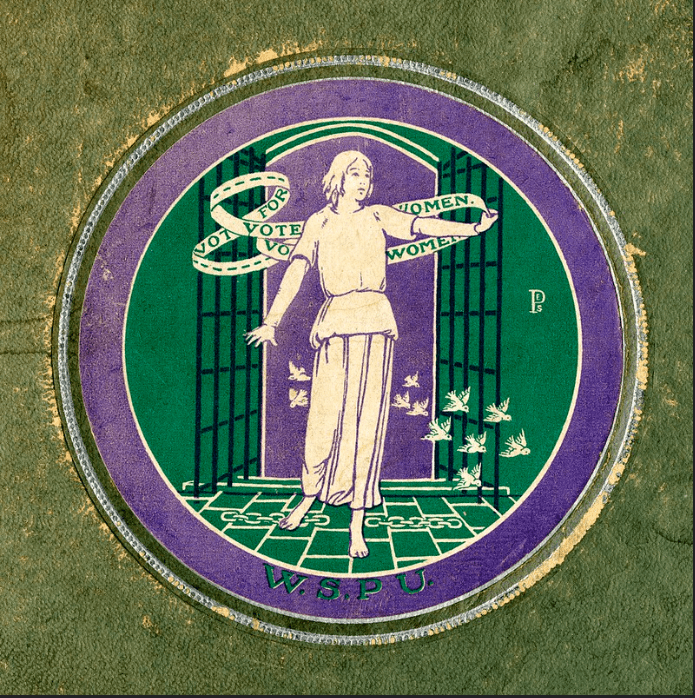
Emmeline Pankhurst, who founded the Women’s Social and Political Union on this day in 1903

A liberal spiritual community, welcoming diversity, and united by a search for the divine in us all, in a spirit of love and respect
“The moving spirit of militancy is deep and abiding reverence for human life.”
Emmeline Pankhurst, who founded the Women’s Social and Political Union on this day in 1903
“This is the work
of the Sabbath.
All creatures flowering
out of themselves,
a rose, a cluster
of galaxies, the pollen
of the stars,
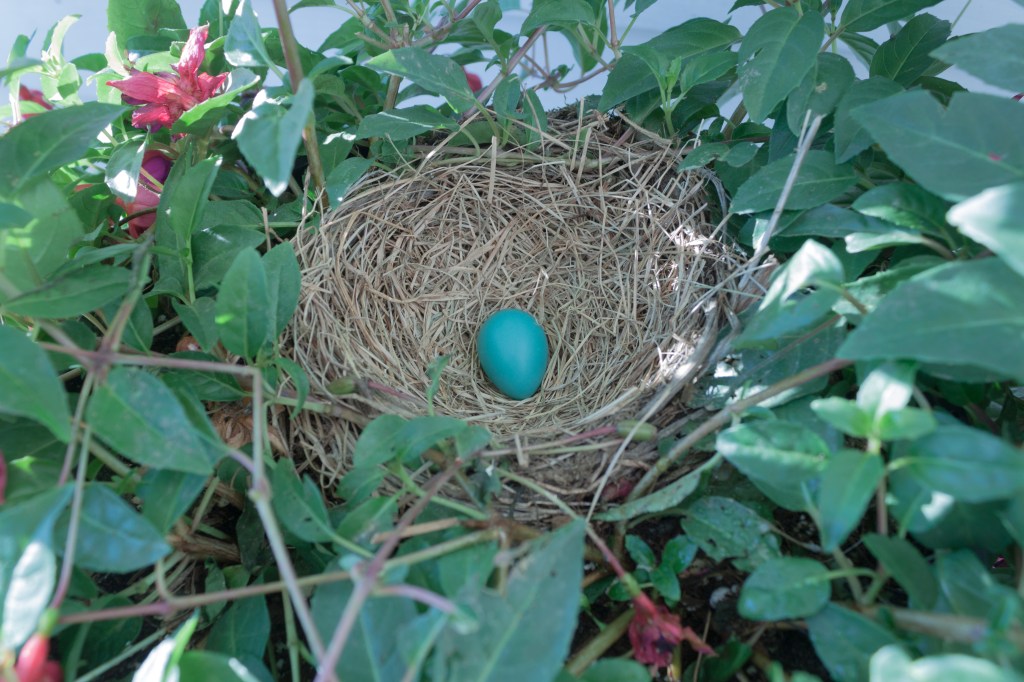
a blue-green egg
at the center
of a well woven nest.
The work of the effortless.
A prophet does not see
into the future.
A prophet sees
deeply
into the present moment.”
Fred Lamotte
“In the course of history, there comes a time when humanity is called to shift to a new level of consciousness, to reach a higher moral ground. A time when we have to shed our fear and give hope to each other. That time is now.”
Wangari Maathai, the first African woman to be awarded the Nobel Peace Prize, on this day in 2004

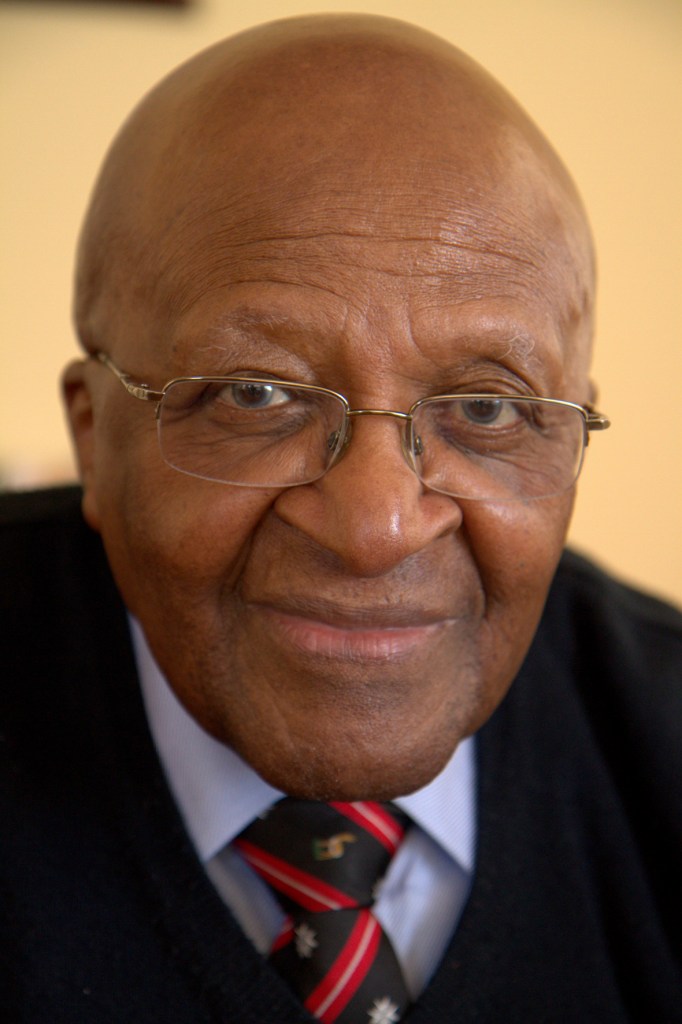
From God Has a Dream: A Vision of Hope for Our Time by Desmond Tutu, born on this day in 1931
“Dear Child of God, I write these words because we all experience sadness, we all come at times to despair, and we all lose hope that the suffering in our lives and in the world will ever end. I want to share with you my faith and my understanding that this suffering can be transformed and redeemed. There is no such thing as a totally hopeless case. Our God is an expert at dealing with chaos, with brokenness, with all the worst that we can imagine. God created order out of disorder, cosmos out of chaos, and God can do so always, can do so now–in our personal lives and in our lives as nations, globally. … Indeed, God is transforming the world now–through us–because God loves us.”
“One learns more from listening than speaking. And both the wind and the people who continue to live close to nature still have much to tell us which we cannot hear within university walls.”
Thor Heyerdahl, born on this day in 1914

A Litany of Atonement [for Yom Kippur] by Robert Eller-Isaacs
“For remaining silent when a single voice would have made a difference – we forgive ourselves and each other; we begin again in love.
For each time that our fears have made us rigid and inaccessible – we forgive ourselves and each other; we begin again in love.
For each time that we have struck out in anger without just cause – we forgive ourselves and each other; we begin again in love.
For each time that our greed has blinded us to the needs of others – we forgive ourselves and each other; we begin again in love.
For the selfishness which sets us apart and alone – we forgive ourselves and each other; we begin again in love.
For falling short of the admonitions of the spirit – we forgive ourselves and each other; we begin again in love.
For losing sight of our unity – we forgive ourselves and each other; we begin again in love.
For those and for so many acts both evident and subtle which have fuelled the illusion of separateness – we forgive ourselves and each other; we begin again in love.”
Feast Day of St Francis of Assisi – patron saint of animals
“”Ask the animals, and they will teach you, the birds of the air, and they will tell you; ask the plants of the earth and they will teach you, and the fish of the sea will declare to you. Who among all these does not know that the hand of the Lord has done this? In his hand is the life of every living thing and the breath of every human being.” Job 12:7-10
In this brief passage from the book of Job we learn that all forms of life have something to teach us. The animals, the birds, the plants, and the fish are all named together as beings who can teach us.
Later on in the book, God asks Job, “Who gives the ibis (a kind of bird) wisdom or gives the rooster understanding?” Of course, the unsaid answer to that question is undoubtedly God, who gives all creatures whatever particular wisdom they may possess.
In nature we often see different kinds of animals living together in symbiotic relationships. There are fish who live in the shadows of sharks. The sharks do not eat these fish but rather let them swim freely inside their mouth. The fish clean the shark’s teeth and live on the scraps of what they have eaten.
The shark has one kind of wisdom and the little fish has another. Both live and grow together, mutually benefiting from their shared wisdom. Dogs and humans, as an example, go as far back as history can record. We evolved in unison with each other. We have come into existence hand in hand with one another.
In this process of sharing wisdom, humans and dogs have developed a friendship. As the old saying goes, “a dog is a man’s best friend.” Wisdom calls us into friendship. Human beings have a remarkable sort of wisdom. We see things in a way that no other animal can.
Yet, our wisdom is not complete in itself. We can see that human ingenuity can be a source of death as much as it can be a source of life. When we forget our animal neighbours, who are also our cousins, our wisdom becomes self-serving.
But this disjointed and chaotic wisdom which humanity seems to have right now is not the only way. We can open our hearts and minds to the ancient song which all of nature sings. There is a natural harmony of wisdom and friendship which is beckoning us to return to it.
When we allow the wisdom of animal being to inform our own, we will no longer destroy the earth for our own short-term gain, but rather see, with eyes unclouded by ignorance, that our wellbeing is forever entwined with the wellbeing of all life on earth.”
Justin Coutts

“We often hear grown-up people complaining of having to hang about a railway station and wait for a train. Did you ever hear a small boy complain of having to hang about a railway station and wait for a train? No; for to him to be inside a railway station is to be inside a cavern of wonder and a palace of poetical pleasures. Because to him the red light and the green light on the signal are like a new sun and a new moon. Because to him when the wooden arm of the signal falls down suddenly, it is as if a great king had thrown down his staff as a signal and started a shrieking tournament of trains. I myself am of little boys’ habit in this matter. They also serve who only stand and wait for the two-fifteen.”
G. K. Chesterton

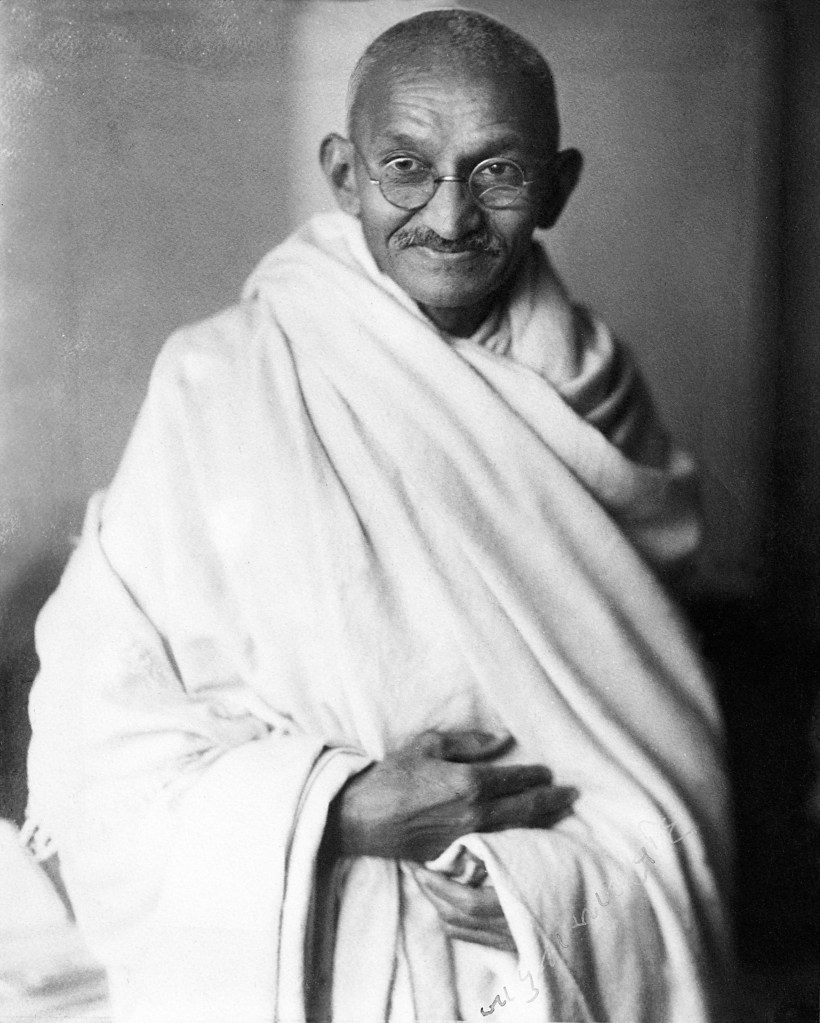
“My religion is based on truth and non-violence. Truth is my God. Non-violence is the means of realising Him.”
Mahatma Gandhi, born Mohandas Karamchand Gandhi on this day in 1869
Return Again, a traditional Jewish song, sung during the Days of Awe (the 10 day period between Rosh Hashanah and Yom Kippur, when people seek to bring themselves back into alignment with themselves, each other, the earth and God):
“Return again, return again
Return to the land of your soul
Return again, return again
Return to the land of your soul
Return to what you are
Return to who you are
Return to where you are born and reborn again
Return to what you are
Return to who you are
Return to where you are born and reborn again
Return again, return again
Return to the land of your soul”
You can hear the song at the following link:

 Chorlton Unitarians