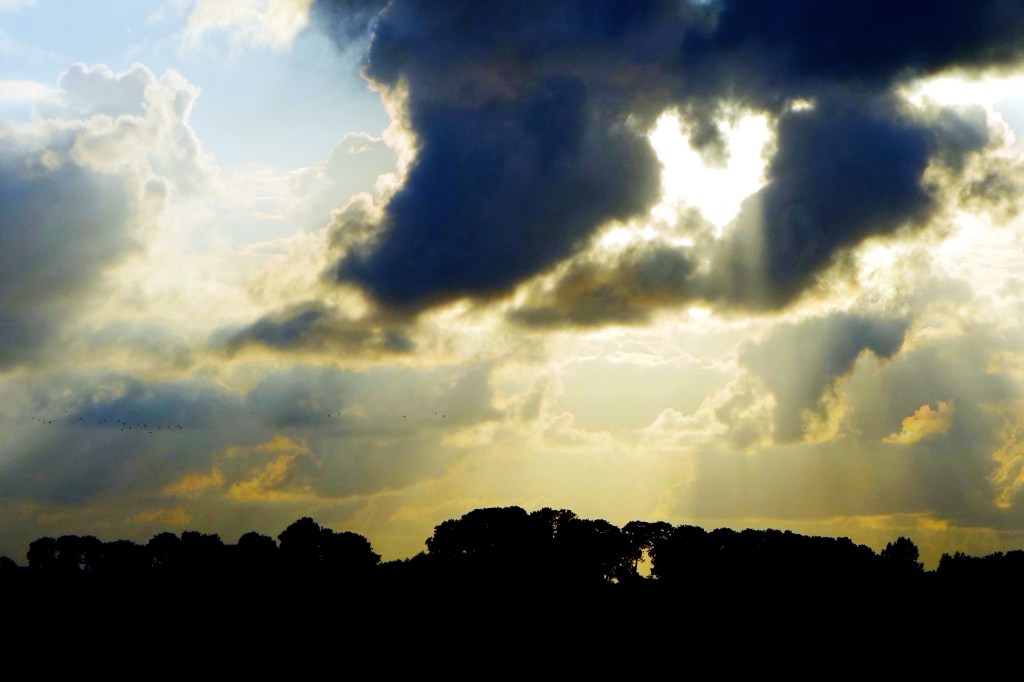
“Be ours a religion which, like sunshine, goes everywhere; its temple, all space; its shrine, the good heart; its creed, all truth; its ritual, works of love; its profession of faith, divine living.”
Theodore Parker, Unitarian minister and abolitionist, born on this day in 1810
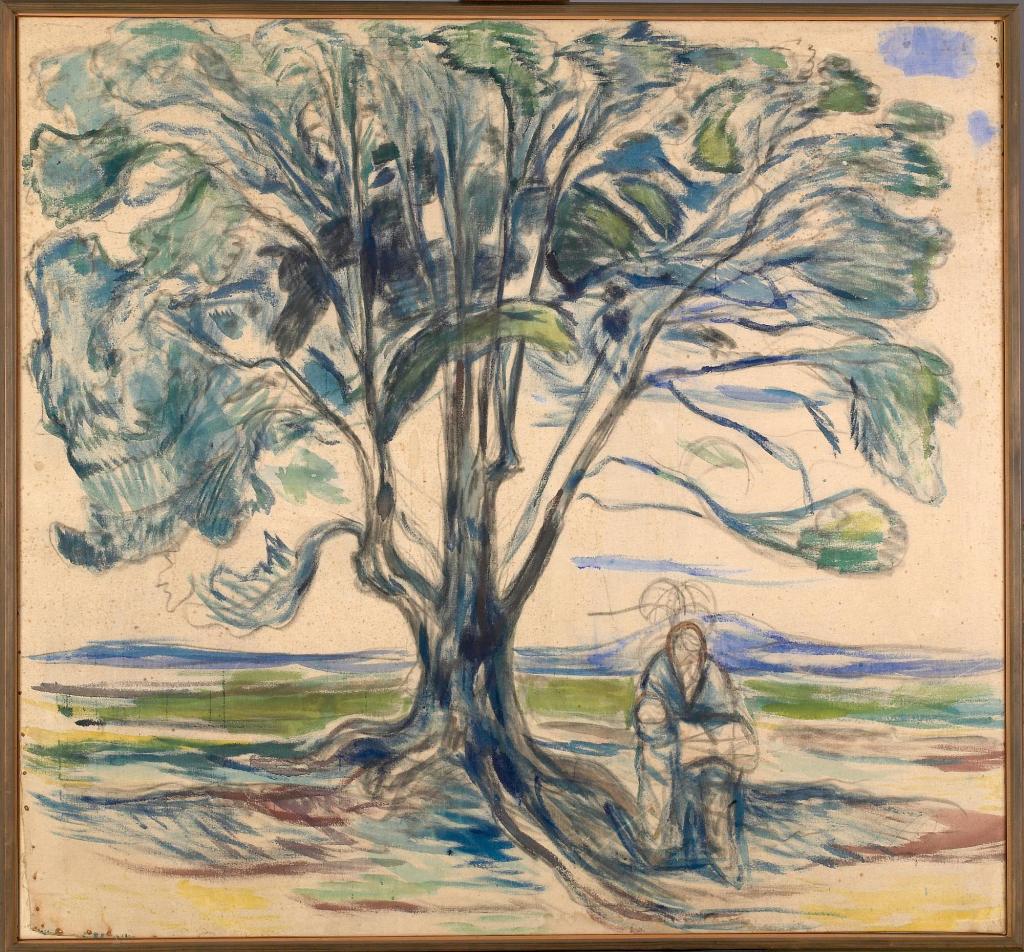
“Meditation, so I’ve heard, is best accomplished if you entertain a certain strict posture. Frankly, I prefer just to lounge under a tree. So why should I think I could ever be successful?
Some days I fall asleep, or land in that even better place — half asleep — where the world, spring, summer, autumn, winter — flies through my mind in its hardy ascent and its uncompromising descent.
So I just lie like that, while distance and time reveal their true attitudes: they never heard of me, and never will, or ever need to.
Of course I wake up finally thinking, how wonderful to be who I am, made out of earth and water, my own thoughts, my own fingerprints — all that glorious, temporary stuff.”
Inventory by Dorothy Parker, born on this day in 1893,
“Four be the things I am wiser to know: Idleness, sorrow, a friend, and a foe. Four be the things I’d been better without: Love, curiosity, freckles, and doubt. Three be the things I shall never attain: Envy, content, and sufficient champagne. Three be the things I shall have till I die: Laughter and hope and a sock in the eye.”
“Seekers are people of faith even if they do not belong to a particular religion. Faith in this sense is deeper than one’s belief system. Belief systems belong to the level of pluralism; faith to the level of unity. Faith is constitutive of human nature itself. It is openness to Ultimate Mystery. It is the acceptance of authentic living with all its creativity and the acceptance of dying with its potential for a greater fullness of life. The experience of the transcendent dimension in oneself is an expression of this fundamental faith at work.”
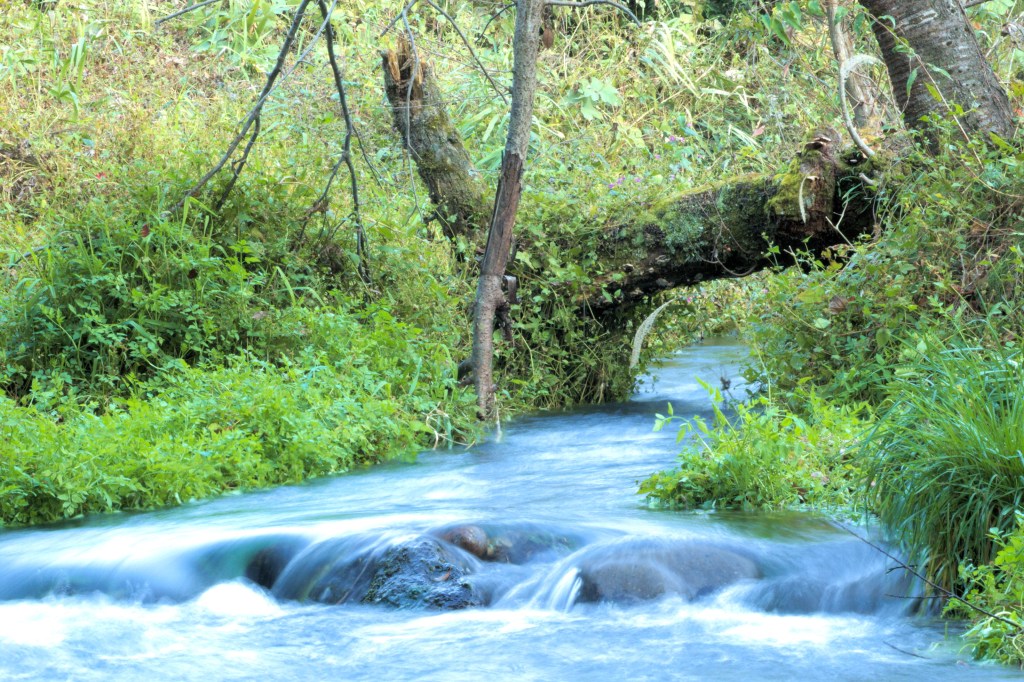
“If we were to walk in the woods and a spring appeared just when we became thirsty, we would call it a miracle. And if on a second walk, if we became thirsty at just that point again, and again the spring appeared, we would remark on the coincidence. But if that spring were there always, we would take it for granted and cease to notice it. Yet is that not more miraculous still.”
“It is very important to go out alone, to sit under a tree—not with a book, not with a companion, but by yourself—and observe the falling of a leaf, hear the lapping of the water, the fishermen’s song, watch the flight of a bird, and of your own thoughts as they chase each other across the space of your mind. If you are able to be alone and watch these things, then you will discover extraordinary riches which no government can tax, no human agency can corrupt, and which can never be destroyed.”
“This is what it means to be entangled: it is to see that we are not complete, removed, or boundaried. We are not independent. To speak from a place of manicured morality, to attempt to stand outside the mess of it all, to try to be sincere, is to be blind to our rapturous entanglement with the multiple. A ‘flower’ doesn’t ‘begin’ at its roots and terminate abruptly at its petals; it is the ongoing intra-activity (notice I do not say ‘inter-activity’, for this would suggest that ‘things’ pre-exist relationships) of clouds, rain, sunlight, swirling dust, the keen attention of the gardener, and a cocktail of colourful critters and ecosystems of organisms. One might say that there are no ‘things’ at all. To come to the edge is thus to come to the curdling middle, where wild meets wild, where we meet the universe halfway in acknowledgement of our intra-dependence and co-emergence with ‘movements’ we cannot control or assuage.
Perhaps in situating his home at the edge of the village, the indigenous healer reminds himself and everyone else that we are not the central concern of an unspeakable universe. We are reminded of the ineffable, that words are not little epistemological mirrors that can reflect the state of things. We are part of the world’s ongoing complexity, yes, but not its prime movers, sole actors or longed-for apotheoses. As such, all the qualities we think of as unique to humans – thought, agency, will, intentionality, creativity, subjectivity – are performative qualities of a larger field in constant flux. Thus in order to really account for ourselves, in order to tell the stories of what is happening, we must come to the ends of ourselves, we must gravitate towards the edges in the middle…towards the incomprehensible, where wholly new ways of thinking are gestating in puddles of the forgotten.”
“Listening is an art that comes from a quiet mind and an open heart. Listening uses all of your senses and it is a very subtle skill. Listening, just listening – not only with the ear, with your being. Your being becomes the instrument of listening. Your sensing mechanism in life is not just your ears, eyes, skin sensitivity and analytic mind. It’s something deeper in you. It’s some intuitive quality of knowing. With all of your being you become an antenna to the nature of another person.”
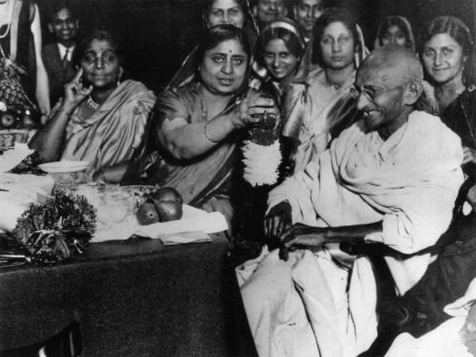
“When I despair, I remember that all through history the way of truth and love has always won. There have been tyrants and murderers and for a time they seem invincible, but in the end, they always fall… think of it, always…
Freedom is never dear at any price. It is the breath of life. What would a man not pay for living?”




 Chorlton Unitarians