“What is music to you? What would you be without music? Music is everything. Nature is music (cicadas in the tropical night). The sea is music, the wind is music. The rain drumming on the roof and the storm raging in the sky are music. Music is the oldest entity. The scope of music is immense and infinite. It is the ‘esperanto’ of the world.”
“There have been times, lately, when I dearly wished that I could change the past. Well, I can’t, but I can change the present, so that when it becomes the past it will turn out to be a past worth having.”
From I Shall Wear Midnight by Terry Pratchett (1948 – 2015), born on this day
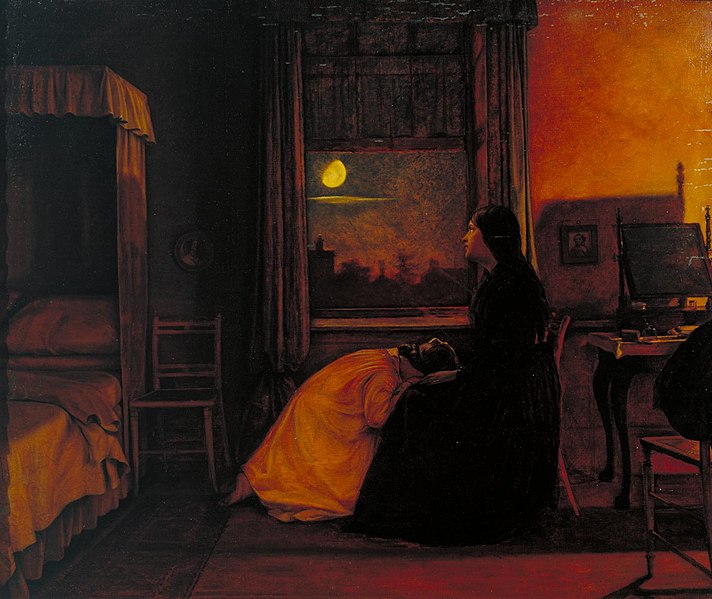
Past and Present No. 2: Prayer (1858) by Augustus Egg
“Be at peace with your own soul, then heaven and earth will be at peace with you. Enter eagerly into the treasure house that is within you, and you will see the things that are in heaven, for there is but one single entry to them both.”
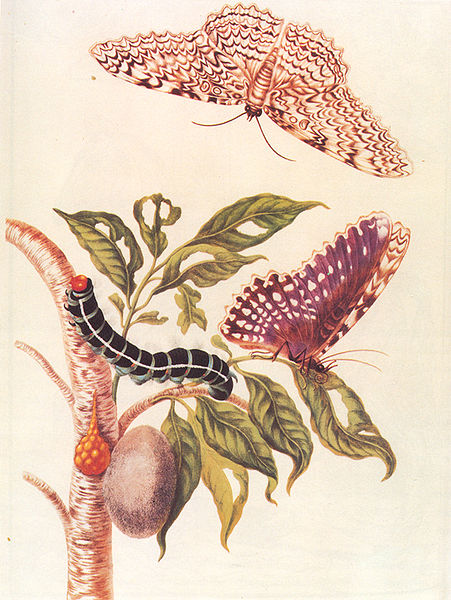
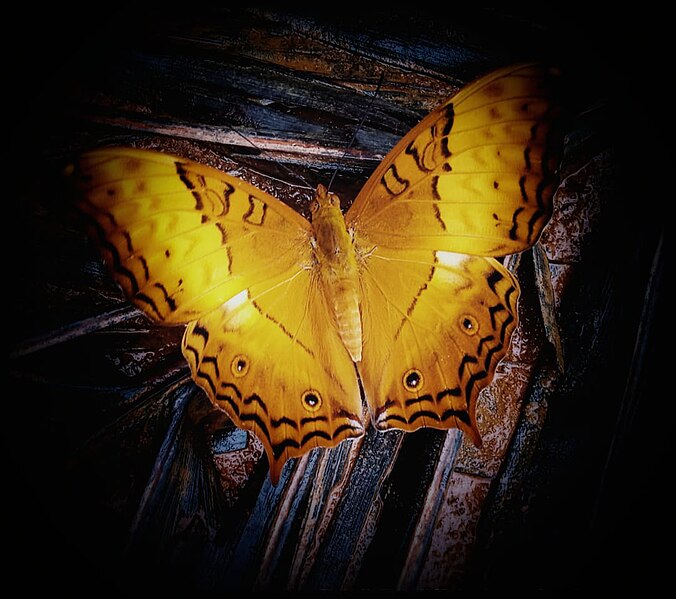
“The names of some butterflies suggest an almost military pecking order: the Monarch, the Red Admiral, the Silver Skipper. But these beautiful creatures recognize no such hierarchy. They all began as eggs, one no better than the next. Then they hatched into caterpillars, among the lowliest of creatures, inching along patiently in search of food. Each caterpillar then embeds itself in a chrysalis and bides its time until it can emerge winged.
We think that caterpillars transform only once, but from egg to grub to cocoon to butterfly, they’ve changed three times! Only in the last stage are they considered exemplars of light, beauty, and grace, but they are always engaged in metamorphosis.
If caterpillars are engaged in constant change, how much more so are you, with your varied and complex life? And if caterpillars can become butterflies, think of what you have the potential to become?”
From Earth Bound: Daily Meditations For All Seasons by Brian Nelson
International Day of Multilateralism and Diplomacy for Peace
“Oh Great Spirit, this is a Call for Peace across the land, so it is directed to the only Earth Dwellers who are capable of making war and have done so since their beginning. I thank you, oh Creator for allowing the powerful discoveries that allow two-leggeds to reach into all nooks and crannies, glades, caverns, depths and valleys.
We thank you for the Age of Communication which many of us understand to be the power that will lead to a lasting peace.
No longer can the forked tongued ones, those greedy and power questing two-legged; no longer can they hide all things that reflect the path of Truth. You have allowed talking wires, the voices that sing through the wind, and even pictures of truth that go out into the depth of space and bounce back beyond the rim of the Earth Mother, in order that we will not be deceived. In many lands now, we two-legged are allowed to inscribe our winter counts (books) truthfully as it was when we red two-legged inscribed them upon the hides of our four-legged cousins.
When we see the Red Dawn in the East; you are telling us that each new day will bring knowledge. I thank you for allowing your powers to help us tell what is truthfully happening. We understand that knowledge unaltered and not distorted, can become wisdom and that wisdom can lead to understanding. Through such truthful observation and consideration, we will win out some day and find an everlasting peace.”
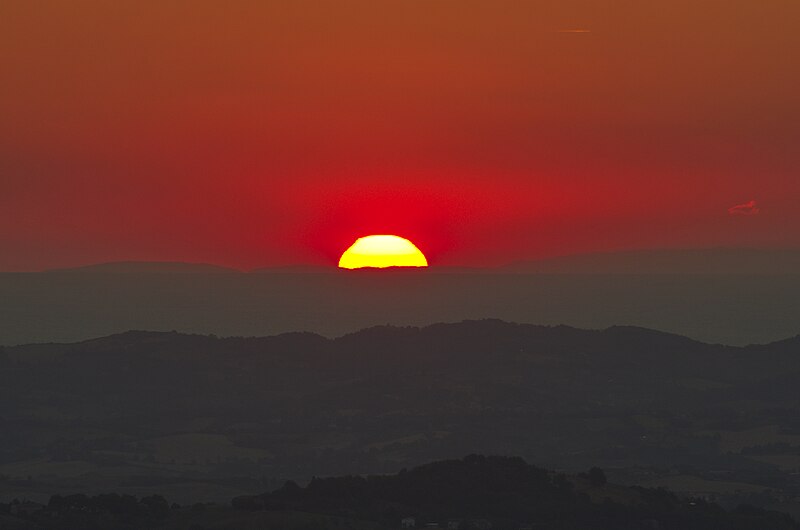
“howl up the moon. bask in starlight and bathe in stories. make friends with dandelions. listen to the trees. walk out of your house barefoot and let the grass whisper poems to your toes. sigh. feast on cloud shapes. gulp the sunset. let the wind play with your hair like a lover. sing the wild geese into night’s grand unfurling. ask a caterpillar for a dance. cloak yourself in twilight soft as a moth kiss. sway to the music in your veins that remembers who you were before the world told you who you should be. fill your ruby-wing heart with that truth and revel up the dawn.”
“You advise me, too, not to stray far from the ground of experience, as I become weak when I enter the region of fiction; and you say, “real experience is perennially interesting, and to all men.” I feel that this also is true; but, dear Sir, is not the real experience of each individual very limited? And, if a writer dwells upon that solely or principally, is he not in danger of repeating himself, and also of becoming an egotist? Then, too, imagination is a strong, restless faculty, which claims to be heard and exercised: are we to be quite deaf to her cry, and insensate to her struggles? When she shows us bright pictures, are we never to look at them, and try to reproduce them? And when she is eloquent, and speaks rapidly and urgently in our ear, are we not to write to her dictation?”
Charlotte Brontë (1816 – 1855), novelist, born on this day, in a letter to G. H. Lewes, 6 November 1847
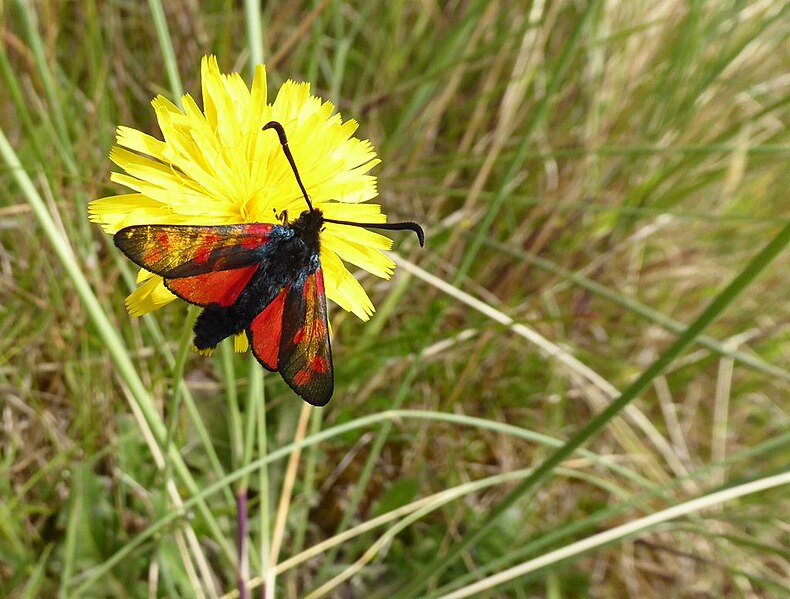
“And just when the darkness became too much to bear and the struggle too hard, the light broke through and the caterpillar emerged a butterfly delicate but unbroken, wild and gentle, finally free to spread its lovely wings and fly away on the wind.”

 Chorlton Unitarians