Human Rights Day
“The intellectual, the moral, the religious seem to me all naturally bound up and interlinked together in one great and harmonious whole.”
Ada Lovelace (1815 – 1852), mathematician, born on this day


A liberal spiritual community, welcoming diversity, and united by a search for the divine in us all, in a spirit of love and respect
Human Rights Day
“The intellectual, the moral, the religious seem to me all naturally bound up and interlinked together in one great and harmonious whole.”
Ada Lovelace (1815 – 1852), mathematician, born on this day
“The mind is its own place, and in itself
Can make a heaven of hell, a hell of heaven…
“Yet he who reigns within himself, and rules
Passions, desires, and fears, is more a king.”
John Milton (1608 – 1674), poet, born on this day

“I put my trust in you, O God, as best as I am able.
May I be strong. May I not be afraid
May all who open their hearts
hear your voice and know your love.
Lead me, teach me, help me to trust.
You are gracious to us, O God
You guide us, you forgive our clumsy ways
You help us prosper.
When I am sad and anxious
I school my heart to trust
I act with integrity and uprightness
And hope to feel your touch in my heart.
May it be so for all the peoples of the earth
Who call you by many names.”
Psalm 25 Trust by Christine Robinson

“Celebration is an active state, an act of expressing reverence or appreciation. To be entertained is a passive state – it is to receive pleasure afforded by an amusing act or a spectacle. Entertainment is a diversion, a distraction of the mind from the preoccupations of daily living. Celebration is a confrontation, giving attention to the transcendent meaning of one’s actions. Celebration is an act of expressing respect or reverence for that which one needs or honours. In modern usage, the term suggests demonstrations, often public demonstrations, of joy and festivity, such as singing, shouting, speechmaking, feasting, and the like. Yet what I mean is not outward ceremony and public demonstration, but rather inward appreciation, lending spiritual form to everyday acts. Its essence is to call attention to the sublime or solemn aspects of living, to rise above the confines of consumption.”
Abraham Joshua Heschel (1907 – 1972), rabbi, theologian and philosopher, quoted in Fragments of Holiness for Daily Reflection
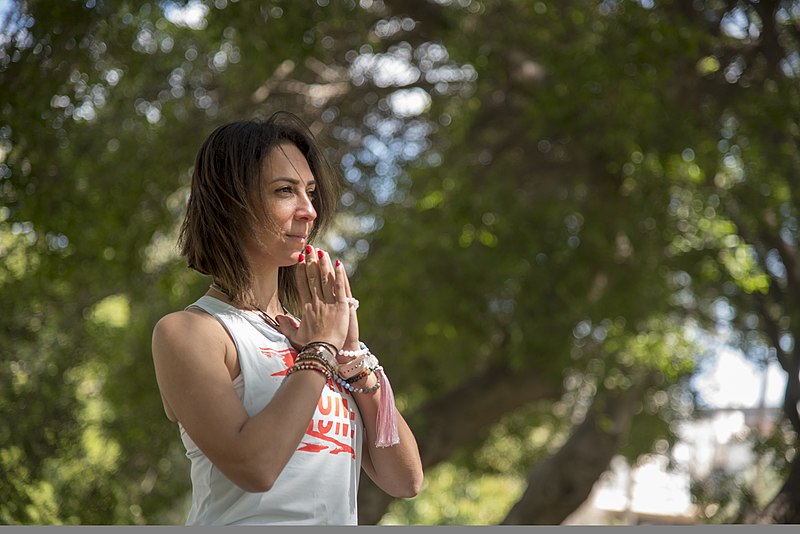
“God is in the look of your eyes,
In the thought of looking,
nearer to you than your self,
or things that have happened to you.
There’s no need to go outside.
Be melting snow.
Wash yourself of yourself.
A white flower grows in the quietness.
Let your tongue become that flower.”
Rumi

World Soil Day
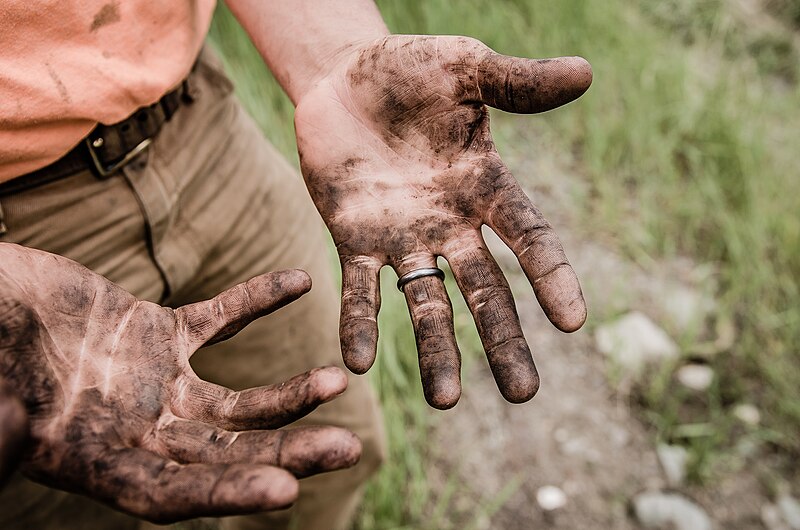
Gardening is not a rational act. What matters is the immersion of the hands in the earth, that ancient ceremony of which the Pope kissing the tarmac is merely a pallid vestigial remnant… at the end of the day, you should smell like dirt.”
Margaret Atwood
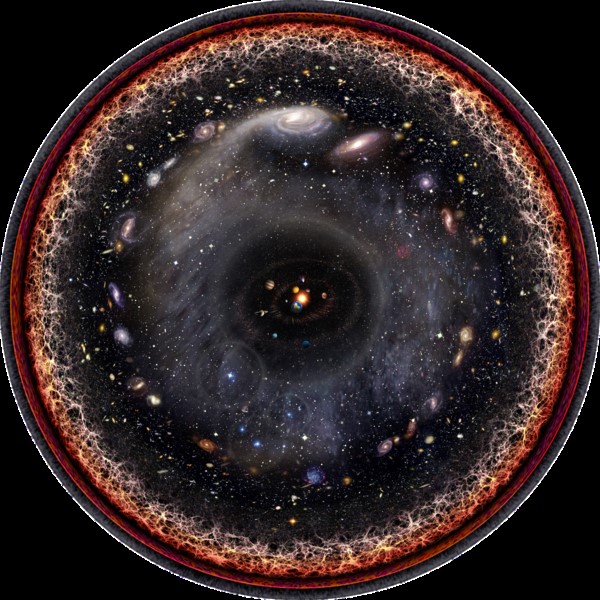
“Only by dying to ourselves do we encounter our true identity, because our true identity is not in our ego but in the All. We are centred in God as are all other things and beings..
Our ego is a solitary place, and he who rejects suffering and defies death and refuses to give himself, but wants to retain his self, shuts himself out of that Unity of all things which is God.”
Ernesto Cardenal, quoted in Christian Mystics by Matthew Fox
“We think that the past is gone and the future is not yet here. But if we look deeply, we see that reality is more than that. The past exists in the guise of the present because the present is made from the past. If we establish ourselves firmly in the present, touching the present moment deeply, we also touch the past and have the power to repair it. That is a wonderful teaching and practice. We don’t have to bear our wounds forever.”
From Peace Is This Moment by Thich Nhat Hanh

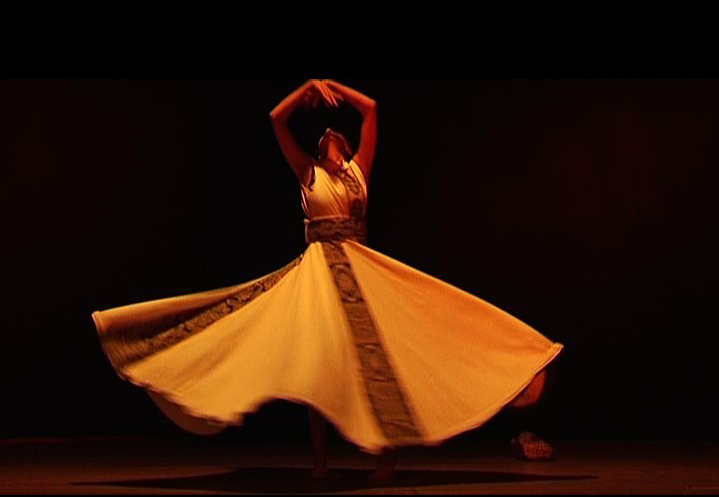
“I’m discovering that a spiritual journey is a lot like a poem. You don’t merely recite a poem or analyze it intellectually. You dance it, sing it, cry it, feel it on your skin and in your bones.
You move with it and feel its caress. It falls on you like a teardrop or wraps around you like a smile. It lives in the heart and the body as well as the spirit and the head.”
Sue Monk Kidd
“Compassion, then, before anything else, is the work of feeling with the other. And it is work – ask any therapist – emotional work, psychic work, spiritual work; we might call it heart work, womb work, gut work. It is work which demands the focusing of attention on the other and thus requires a radical de-centring of the ego; work which often requires a patience and endurance in the presence of the other’s intractable reality. Being with the other in all the different moods of their passion is a costly process.”
Nicola Slee, feminist poet and theologian, quoted in Fragments of Holiness for Daily Reflection

 Chorlton Unitarians