“Any step we take in mindfulness that brings us a little more solidity, freedom, and joy also benefits society and our ancestors. Don’t think that what you do to yourself doesn’t affect the rest of society and the world. Peace and freedom always begin with our own practice. If transformation takes place in us, it takes place in the world at the same time. If peace is in you, peace becomes possible everywhere in the cosmos.”
“We become what we love and who we love shapes what we become. If we love things, we become a thing. If we love nothing, we become nothing. Imitation is not a literal mimicking of Christ, rather it means becoming the image of the beloved, an image disclosed through transformation. This means we are to become vessels of God’s compassionate love for others.”
Traditional date of the Laylat al-Qadr, when Muhammad began to receive the Qur’an, in 610
“God calls. The bells ring in the temple; The perfume rises from the aloes; The sage in meditation sits. Om! Tat! Sat! The nothingness of the now; The Everythingness of Eternity. God calls.
God calls. The muezzin’s voice from minaret tower cries: “Come to prayer, come to prayer, come to prayer.” A million Moslems then stretch out their prayer rugs, A million and a myriad million more. “There is no God but God, To this I now bear witness, There is no God but God; Mohammed is His Prophet; come to prayer.” God calls.
God calls. On Friday eve the Jew prepares himself, Walks to his synagogue and prays, Takes down the Torah scroll and reads. Reads what his forefathers read: “Hear O Israel! The Lord our God, the Lord is One!” “And His Name is One.” This is the Law and the prophets. God calls.
God calls. The stations slowly passing one by one. She tells her beads and tells them o’er and o’er. Ave Maria! Gratia plena! Ora! Ora pro nobis! Paternoster qui est in caelis, Sanctificetur tuo nomen— Sanctificetur! Sanctificetur! God calls.
God calls. The branches rustle lightly in the breeze, Above the music of pagoda’s bells. His humble repeat finished ere ‘tis noon, The bhikshu tells the children of the Buddha, They listen, one voice speaks in the forest, Then all is silent, save the breeze … There slowly comes that feeling of great peace. Shanti! … Shanti! … Shanti! … God calls.
God calls. The men from every race have come together, From every land, from every sect or cult. They gather at the temple for their worship. Love ye, every man his neighbor; Be ye brethren, ye who are my brothers. Worship Him, the Father of us all; Worship Him, in Love and Faith and Joy; Worship Him in Silence … God calls.”
Samuel Leonard Lewis, known as Murshid Sam or Sufi Sam (1896 – 1971)
International Day of the World’s Indigenous Peoples
“Remember the sky that you were born under, know each of the star’s stories. Remember the moon, know who she is. Remember the sun’s birth at dawn, that is the strongest point of time. Remember sundown and the giving away tonight. Remember your birth, how your mother struggled to give you form and breath. You are evidence of her life, and her mother’s, and hers. Remember your father. He is your life, also. Remember the earth whose skin you are: red earth, black earth, yellow earth, white earth brown earth, we are earth. Remember the plants, trees, animal life who all have their tribes, their families, their histories, too. Talk to them, listen to them. They are alive poems. Remember the wind. Remember her voice. She knows the origin of this universe. Remember you are all people and all people are you. Remember you are this universe and this universe is you. Remember all is in motion, is growing, is you. Remember language comes from this. Remember the dance language is, that life is. Remember.”
Remember by Joy Harjo, Muscogee (Creek) Nation, 23rd US Poet Laureate
“With tired feet I scrunch the pebbles at the shoreline, walking hard, pushing my body at the wind as if I could break through the choices and enter the place of peace. A long tree trunk, white with ocean washing, soft with the long slow tempering of time, beckons my body and I sit, then lie along its narrow surface.
And from that prone and precarious balance, I see a tree whose fruit, above the picking line, waits for autumn winds to gather.
I see a hedge of foxglove and blueberry, queen anne’s lace and ragwort, audience to the butterfly ballet choreographed by the unseen master of the dance.
I hear the triumph song of crickets and the satin swish of ocean-tumbled pebbles and my heart reminds me that God is here, not commanding, judging, threatening, or punishing, but creating a world so wonderful, a prayer so obvious that could I but cease in my fever of petition, I could witness its beauty, too.”
Reverie on an August Afternoon by Elizabeth Tarbox (1944 – 1999), UU minister
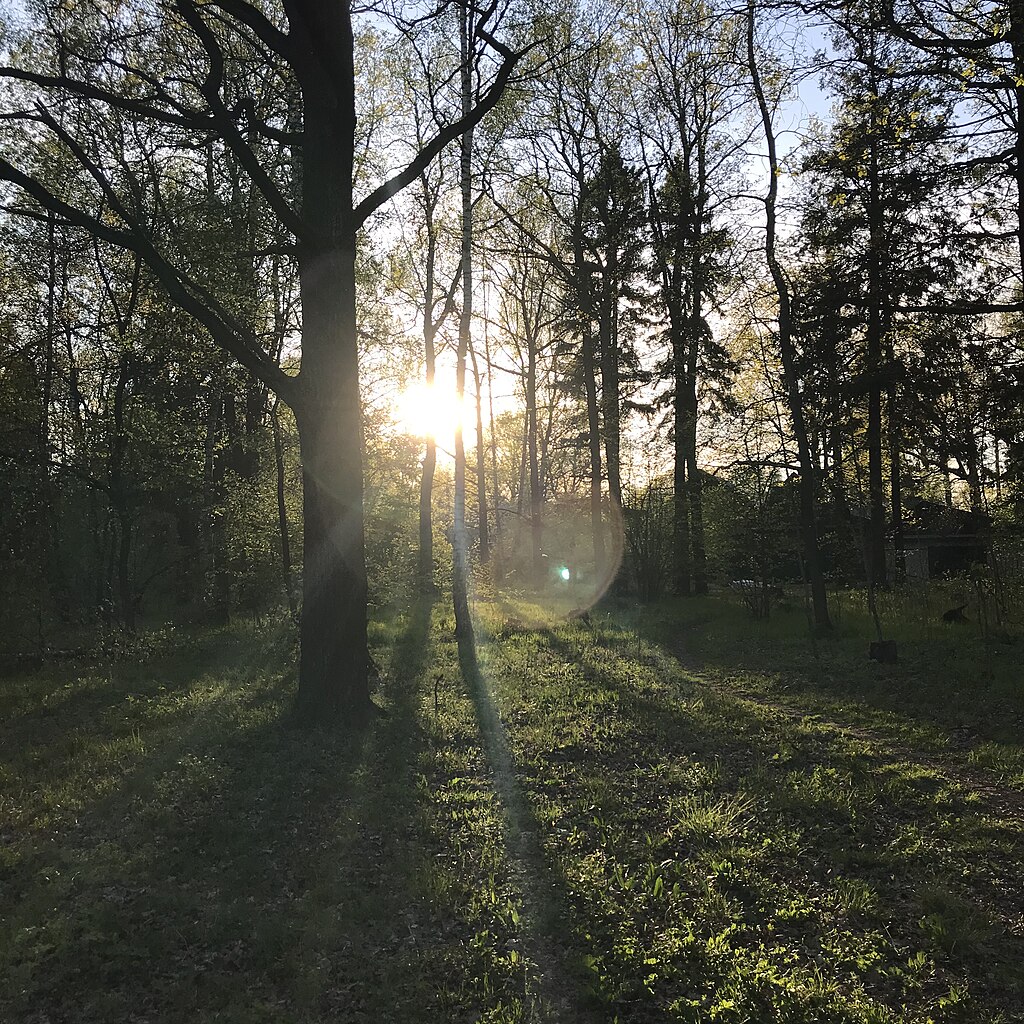
““Miracles have ceased.” Have they indeed? When? They had not ceased this afternoon when I walked into the wood and got into bright, miraculous sunshine, in shelter from the roaring wind.”
Ralph Waldo Emerson (1803 – 1882), writer and Unitarian minister, quoted in Fragments of Holiness for Daily Reflection
“The chief beauty about time is that you cannot waste it in advance. The next year, the next day, the next hour are lying ready for you, as perfect, as unspoiled, as if you had never wasted or misapplied a single moment in all your life. You can turn over a new leaf every hour if you choose.”
“Most of us are sufficiently distanced from our own ancestral wisdom to feel disoriented in a time when indigenous knowledge is being reevaluated. How do we rekindle the ancestral fires once again? Where is the wisdom that will help us through the night of ignorance and doubt? Instead of elders, we now have elected politicians who speak with corrupt and self-serving voices; instead of fragrant local wisdom, we have homogenous civil law and institutionalized religion to guide us.
Ancestral wisdom does not cease because the elders are no longer important in our society. Indeed, the wisdom is retrievable and implementable now. Part of the solution lies with ourselves. By changing the way we think – extending our planning to include the next ten generations rather than just our own lifetime and vigorously upholding the rights and privileges of elders in our community – we shift from a basis of neglect to a more respectful and empowered position.
If we genuinely want to look to our recent or ancient past for wisdom, then we must give time, effort, and study to our own spiritual and indigenous traditions, or to the traditions of those lands whence our ancestors came. Whatever is useful, whatever is practical, whatever is wise will never be lost as long as one person is practising it.”
From The Celtic Spirit: Daily Meditations for the Turning Year by Caitlin Matthews
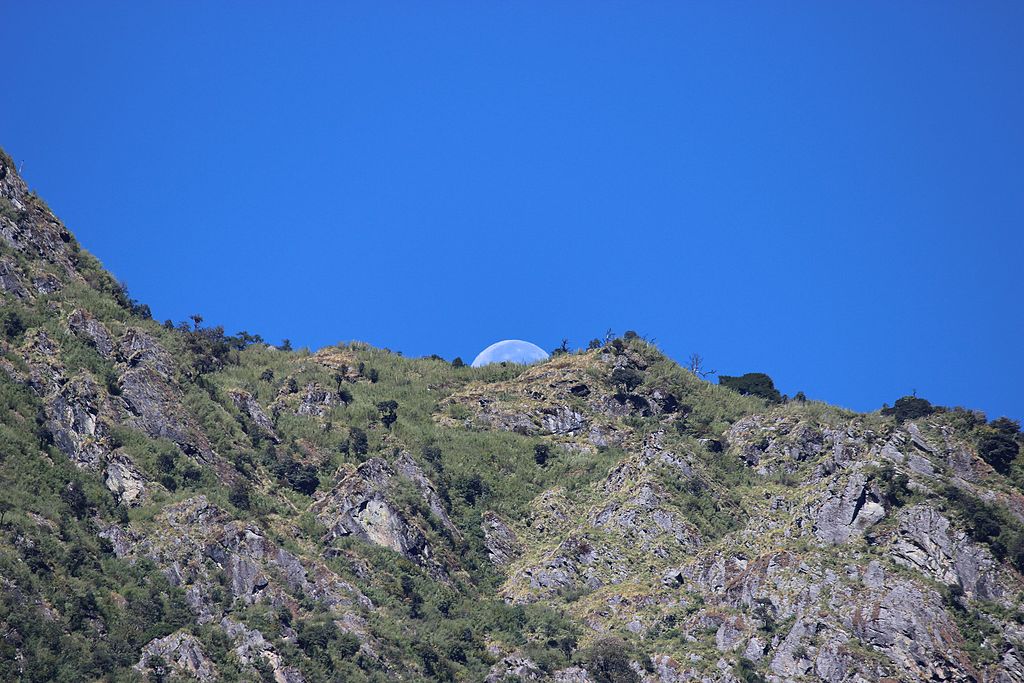
“By morning she has lost a husband, a home, a dream, a night of her life that will never return. She tries not to think of what she will do, of what this means in the long history of loss. There are tigers dying, she knows, nuclear threats that might eradicate the world. Forests are disappearing and seas are being emptied. She tries not to think of her hunger against the magnitude of all this. Her small hunger against the failure of civilizations. She thinks instead of evening, how once again it will grow long and bright, how eternity that seemed so paltry just minutes ago could become eternal once again. She thinks of the moon rising in the cleft of the distant hills. It is the only comfort she allows herself– to relinquish the things she loves as if they were never hers.”





 Chorlton Unitarians