International Day of Remembrance of the Victims of Slavery and the Transatlantic Slave Trade
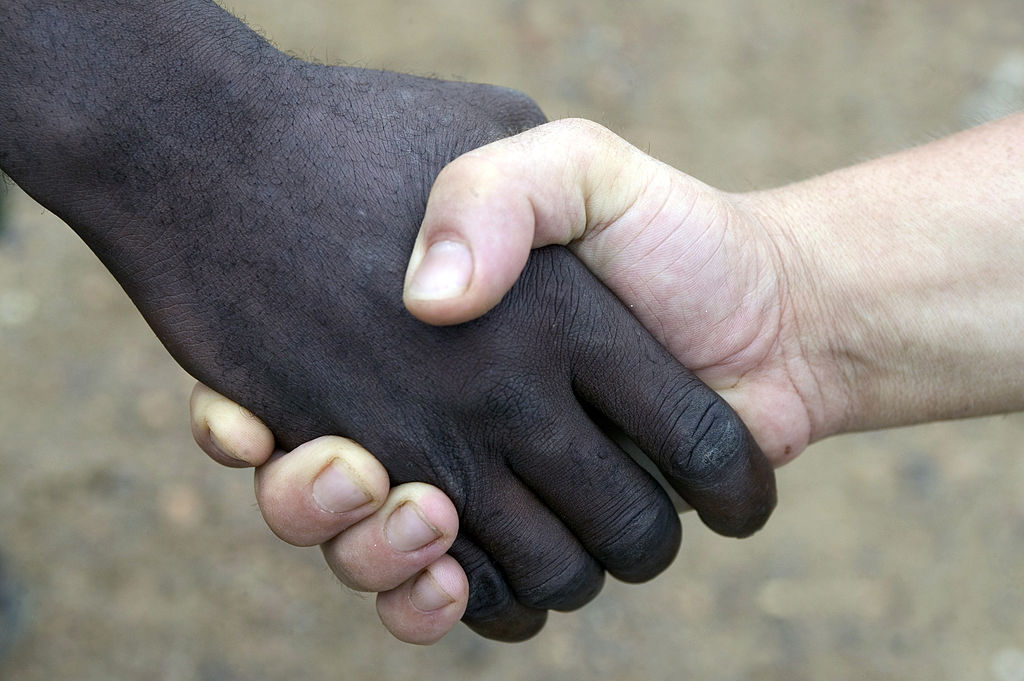
“We all require and want respect, man or woman, black or white. It’s our basic human right.”
Aretha Franklin (1942 – 2018), born on this day

A liberal spiritual community, welcoming diversity, and united by a search for the divine in us all, in a spirit of love and respect
International Day of Remembrance of the Victims of Slavery and the Transatlantic Slave Trade
“We all require and want respect, man or woman, black or white. It’s our basic human right.”
Aretha Franklin (1942 – 2018), born on this day
“Four proximate effects may be ascribed to love: namely, melting, enjoyment, languor and fervour. The freezing or hardening of the heart is a disposition incompatible with love, while melting denotes a softening of the heart, whereby the heart shows itself to be ready for the entrance of the beloved. If, then, the beloved is present and possessed, pleasure or enjoyment ensues. But if the beloved is absent, two passions arise: namely, sadness at is absence, which is denoted by languor; and an intense desire to possess the beloved, which is signified by fervour… Love is the cause of both pleasure and sorrow.”
Thomas Aquinas, quoted in Christian Mystics by Matthew Fox

“Love is a fire. But whether it is going to warm your hearth or burn down your house, you can never tell.”
Joan Crawford (1905 – 1977), born on this day

World Water Day
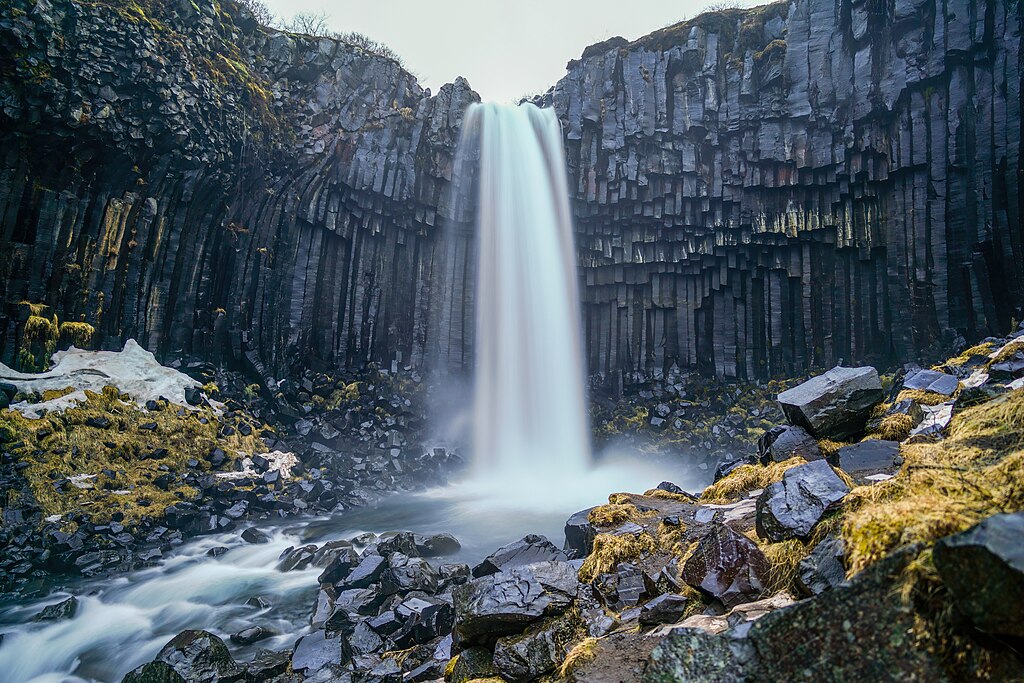
“The soul of mankind is like water:
From Heaven coming, to Heaven rising,
Again descending— As it must—Earthward, ever circling.
It streams from high on the steep rock wall, a clear, pure stream;
Then lovingly dusts in swelling cloud-waves against smooth rock;
And striking lightly, it surges, veil-wrapped,
In whispers, to the depths below.
Then cascading against cliff towers,
It foams high, raging, unrelenting, to the Abyss.
In sprawling stream-beds it creeps in meadowed valleys,
And in the glassy lake shows the stars mirrored all in its visage.
Wind is the great wave, lovingly cooling,
Stirring the depths up to foaming whitecaps.
O soul of mankind, how like unto water!
O fate of mankind, how like unto wind!”
Song of the Spirits on the Water by Johann Wolfgang Goethe (1749 – 1832), born on this day, translated by Adam Sedia
International Day for the Elimination of Racial Discrimination
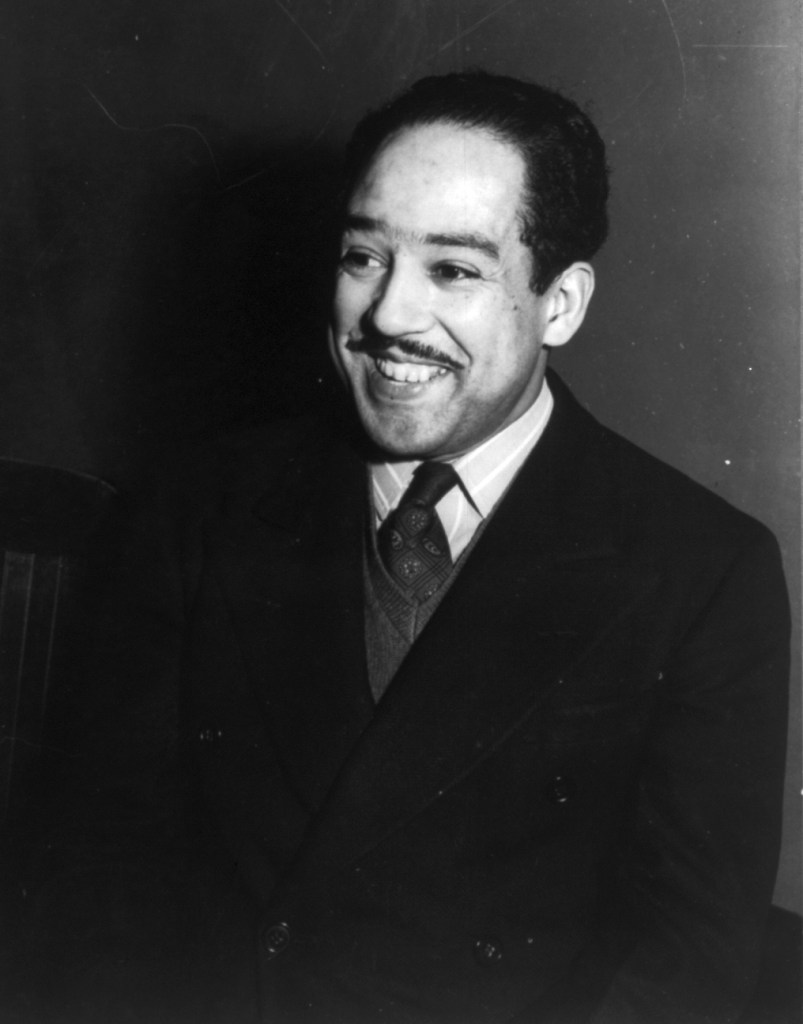
“I dream a world where man
No other man will scorn,
Where love will bless the earth
And peace its paths adorn
I dream a world where all
Will know sweet freedom’s way,
Where greed no longer saps the soul
Nor avarice blights our day.
A world I dream where black or white,
Whatever race you be,
Will share the bounties of the earth
And every man is free,
Where wretchedness will hang its head
And joy, like a pearl,
Attends the needs of all mankind-
Of such I dream, my world!”
I Dream A World by Langston Hughes
Spring Equinox and International Day of Happiness
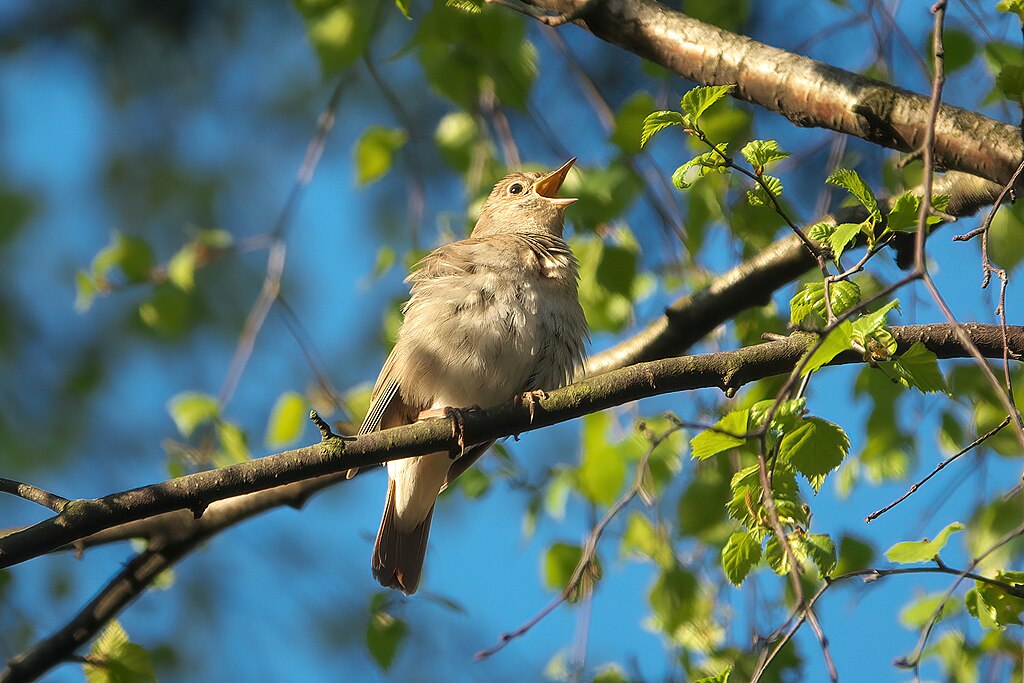
“Spring! And Earth is like a child
who has learned many poems by heart.
For the trouble of that long learning
she wins the prize.
Her teacher was strict. We loved the white
of the old man’s beard. Now we can ask her
the many names of green, of blue,
and she knows them, she knows them!
Earth, school is out now. You’re free
to play with the children. We’ll catch you,
joyous Earth. The happiest will catch you!
All that the teacher taught her – the many thoughts
pressed now into roots and long
tough stems: she sings! She sings!”
Sonnets to Orpheus I, 21 by Rainer Maria Rilke
“When you open yourself to the continually changing, impermanent, dynamic nature of your own being and of reality, you increase your capacity to love and care about other people and your capacity to not be afraid. You’re able to keep your eyes open, your heart open, and your mind open. And you notice when you get caught up in prejudice, bias, and aggression. You develop an enthusiasm for no longer watering those negative seeds, from now until the day you die. And, you begin to think of your life as offering endless opportunities to start to do things differently.”
Pema Chödrön
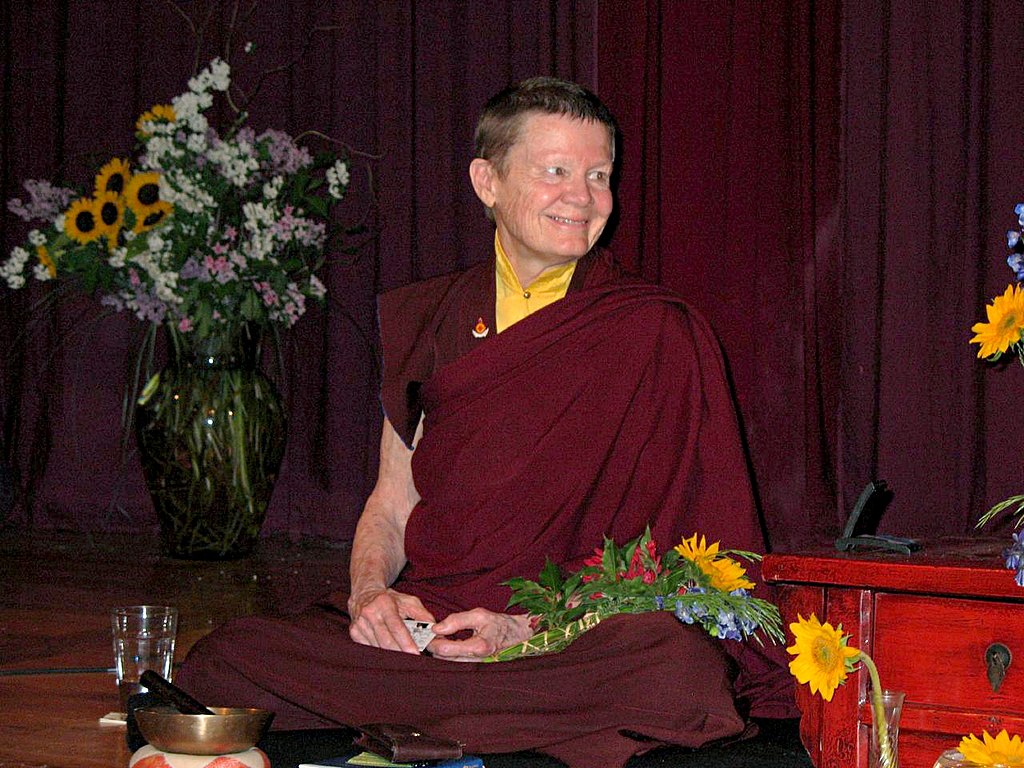
“Any act to change the world around us begins within us. It starts with a sense of agency, a sense that we have the power to effect change. The Latin root of the word “power” means “to be able.” When we feel helpless in the face of injustice, it is easy to give in to the idea that this is just the way things are, because it’s the way things have always been. Then someone comes along and sparks our imagination, a prophetic voice from the past, or a friend on the phone. We begin to see that the norms and institutions that order this world are not inevitable but constructed – and therefore can be changed. The Brazilian educator Paulo Freire calls this internal shift “critical consciousness,” the moment we tap into our own power to change the world around us. It feels like waking up.”
From See No Stranger by Valarie Kaur

“When I didn’t know myself,
where were you?
Like the colour in the gold,
you were in me.
I saw in you, lord white as jasmine,
the paradox of your being in me
without showing a limb.
After my body became Yourself,
whom could I serve?
After my mind became Yourself,
whom could I invoke?
After my consciousness was lost in You,
Whom could I know?
Being Yourself in You,
O Lord white as jasmine,
Through You have I forgotten You!”
Mahadeviyakkha, 12th century India
“I have learned from long experience that there is nothing that is not marvellous, and the saying of Aristotle is true: that in every natural phenomena there is something wonderful – nay, in truth, many wonders. We are born and placed among wonders and surrounded by them, so that to whatever object the eye first turns, the same is full of wonders, if only we examine it for a while.”
John de Dundas, 14th century philosopher, quoted in Fragments of Holiness for Daily Reflect
 Chorlton Unitarians