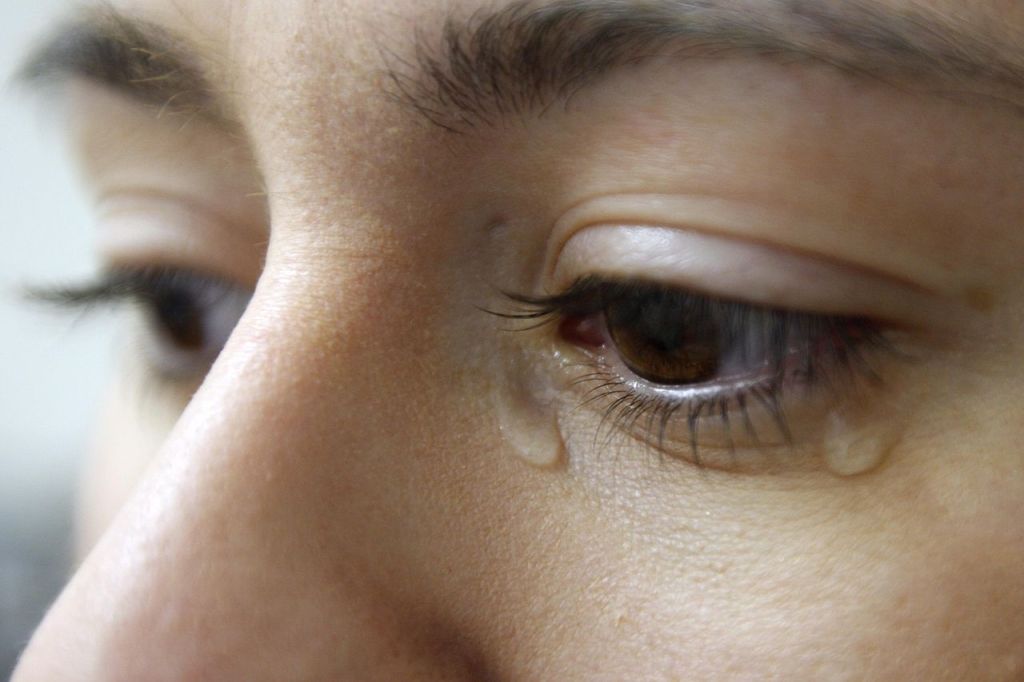
“Our culture often frowns on crying, seeing it as weakness or a loss of control. But tears, like all water, cleanse and purify. When our faces are wet with tears we have been baptized in a way – a natural baptism, sometimes performed for us without our even asking. And our tears also contain the salt of the ocean. In a time of sadness, our bodies will not let us forget our ancient origins. Let tears flow when they must – they are the touch of the great mother, from whom we all sprang when the world was young.”
From Earth Bound: Daily Meditations For All Seasons by Brian Nelson
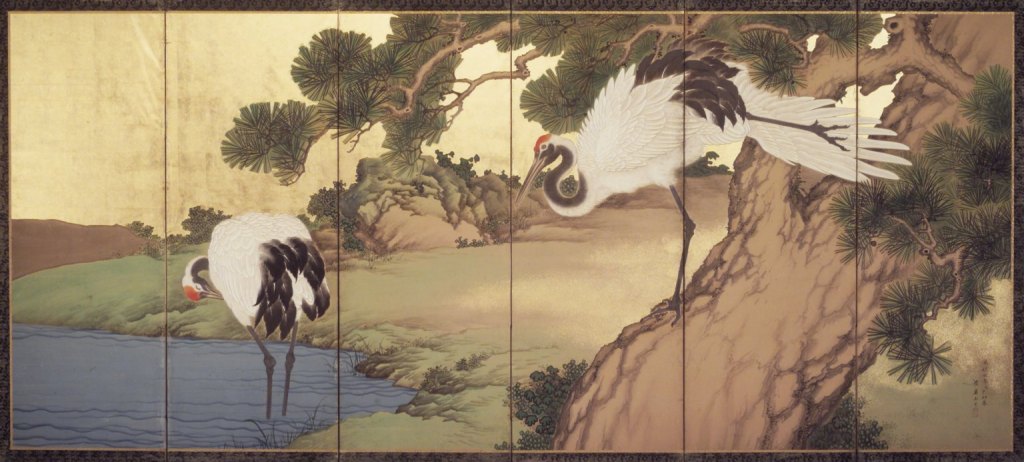
“As we solemnly mark today’s anniversary of the Hiroshima bombing, it is heartening to note that the most enduring symbol of healing is a symbol from nature. Centuries ago, Japanese civilization began venerating the crane, and the image of thousands of cranes became common in artwork. The crane was known for long life, and origami cranes became a gift to wish each other health and well-being.
Some cultures also believe that cranes pray every morning. Perhaps whenever we focus on nature, we are praying as well. Prayer is intentionality and resolve, strengthened when its roots run deep in the earth.”
From Earth Bound: Daily Meditations for All Seasons by Brian Nelson
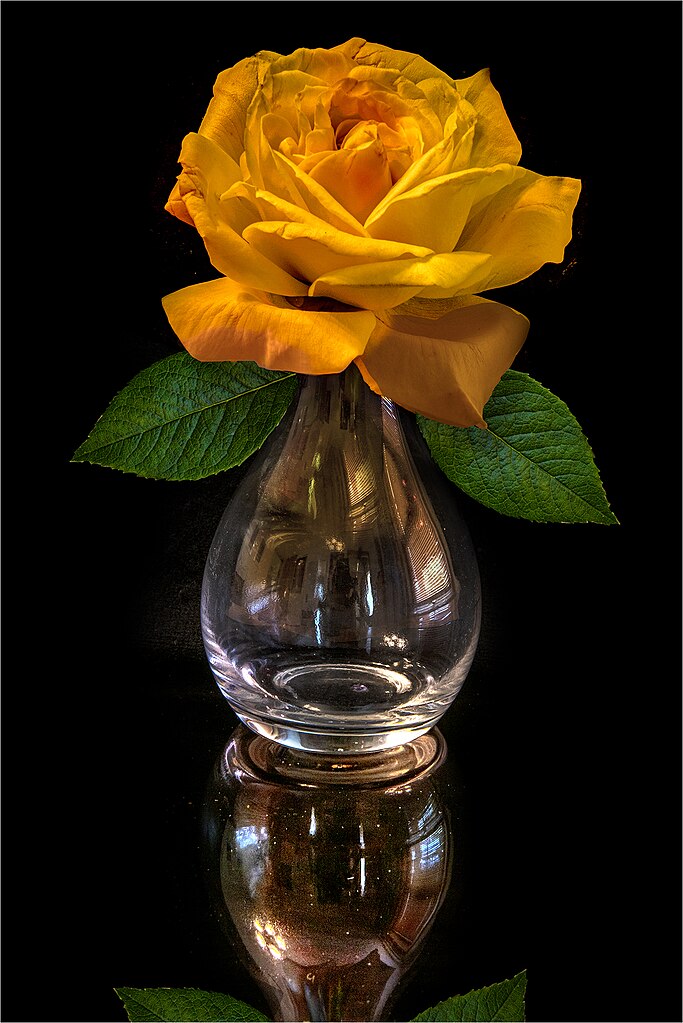
“Man cannot long separate himself from nature without withering as a cut rose in a vase. One of the deceptive aspects of mind in man is to give him the illusion of being distinct from and over against but not a part of nature. It is but a single leap thus to regard nature as being so completely other than himself that he may exploit it, plunder it, and rape it with impunity..
This we see all around us in the modern world. Our atmosphere is polluted, our streams are poisoned, our hills are denuded, wild life is increasingly exterminated, while more and more man becomes an alien on the earth and fouler of his own nest. The price that is being exacted for this is a deep sense of isolation, of being rootless and a vagabond. Often I have surmised that this condition is more responsible for what seems to be the phenomenal increase in mental and emotional disturbances in modern life than the pressures – economic, social and political – that abound on every hand. The collective psyche shrieks with the agony that it feels as a part of the death cry of a pillaged nature.”
Theologian, mystic, and civil rights leader Howard Thurman (1899 – 1981)
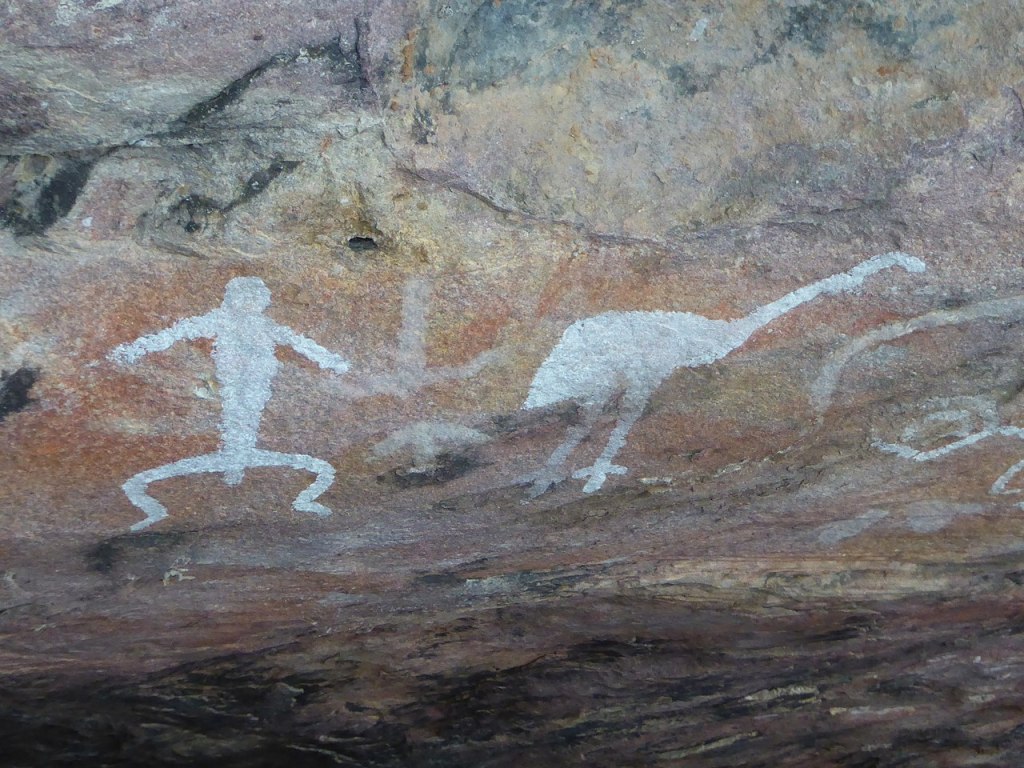
“The cave and rock paintings of the ancient world depict bison, mammoth, horse, and deer, all of which have a powerful presence not found in domesticated animals. These wild creatures who prefigure a primal world of nature are figurative of more than meat and hide: they hold and mediate spiritual powers greater than the present consumerist mentality can evoke. The spirits of animals open gateways to deeper worlds of understanding, shared worlds in which people and animals learned from each other.
We do not know what rituals attended the painting of these creatures in ancient times, but looking at comparable cultures extant today, we can see that among the aboriginal Australians, for example, the rock and cave paintings are retraced by subsequent generations. This is a method of honouring and reconnecting with spiritual presences drawn by ancestors.
The power to re-evoke the spirits of animals with whom we once shared our world more equitably is still with us, if we will set aside the time and space. Retreating to our own dark cave, lit only by the torch of our willing understanding, we come again to the ritual kindling of spiritual vision wherein the animal powers speak to us, creature to creature, in the dance of life.”
From The Celtic Spirit: Daily Meditations for the Turning Year by Caitlin Matthews
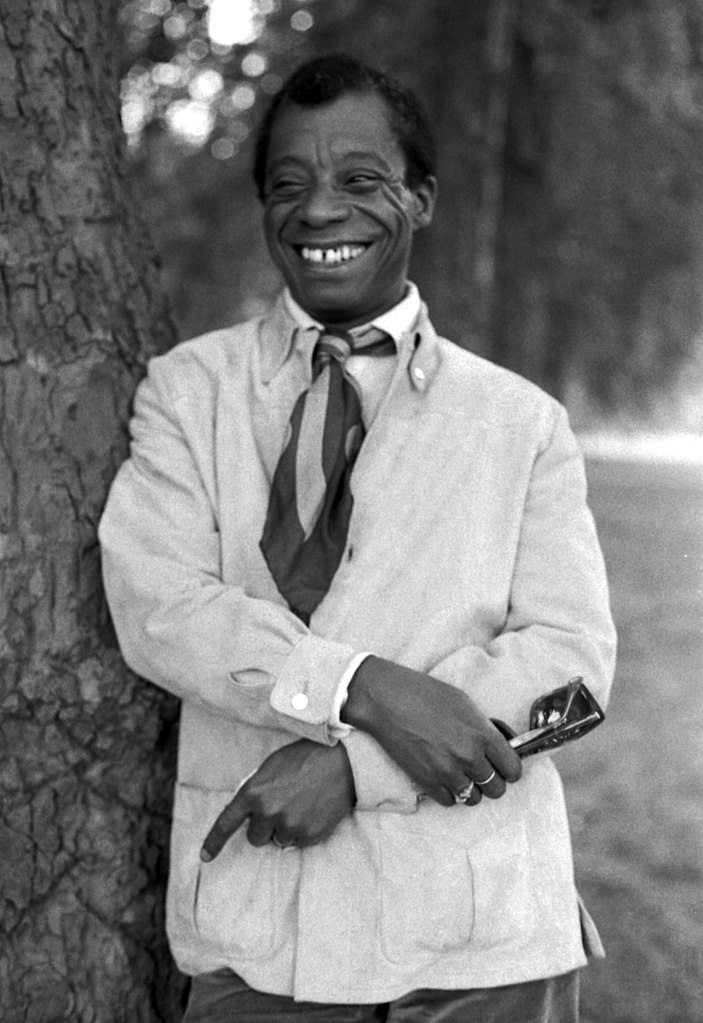
“Love takes off the masks that we fear we cannot live without and know we cannot live within. I use the word “love” here not merely in the personal sense but as a state of being, or a state of grace – not in the infantile American sense of being made happy but in the tough and universal sense of quest and daring and growth.”
From The Fire Next Time by James Baldwin, born on this day in 1924
“This is the beginning of the harvest time when the sun and the rains swell the seeds and ripen the fruits. Misty mornings and colder nights remind us that we have passed the longest day, and the cycle of the year is turning, as we dance on the edge between high summer and the edge of autumn…
It is a time when we can feel most alive, full of hope, rich with connection, friendships and community. But we can also feel lonely and vulnerable. This is a call to be honest and real about our feelings and not to stay isolated by them.
Sharing our feelings helps others to share theirs. It is a gift we give each other. Expressing our feelings helps us to flow and to see what we want to change and what we still need to work with. They are the new seeds of our future selves forming.
Traditionally Lammas is a celebration of the great gathering in of the grain harvest, stored throughout the winter to keep us in bread and grain products. They are also the seeds that will be sown in the spring and the seeds that will bring next year’s harvest…
Lammas encourages our generosity of spirit and reminds us to give thanks for all the abundance in our lives. The more we give from our hearts, the more returns to us – as all is connected and flowing parts of the whole.”
“The shapes and colours of flowers and fruit, the curling of a wave or a tendril, the song of birds, the graceful movements of living creatures, the regularity of a crystal or a snowflake – all these and many more things are part of the beauty of the world. It is this which enables us to face up to the ugliness and pain of the world, which also is a continuing feature of it. All things grow misshapen, including human lives. There is grace, and there is also distortion; there is sweetness and bitterness; there is wonderful creativeness and there is senseless destruction. And so we pray that we may learn to live in such a world, and with such a human nature. We are grateful for all the help and inspiration we receive from the frequent beauty of the world, and the frequent grace in human lives.”
Harry Lismer Short (1906 – 1975), Unitarian minister, quoted in Fragments for Holiness for Daily Reflection
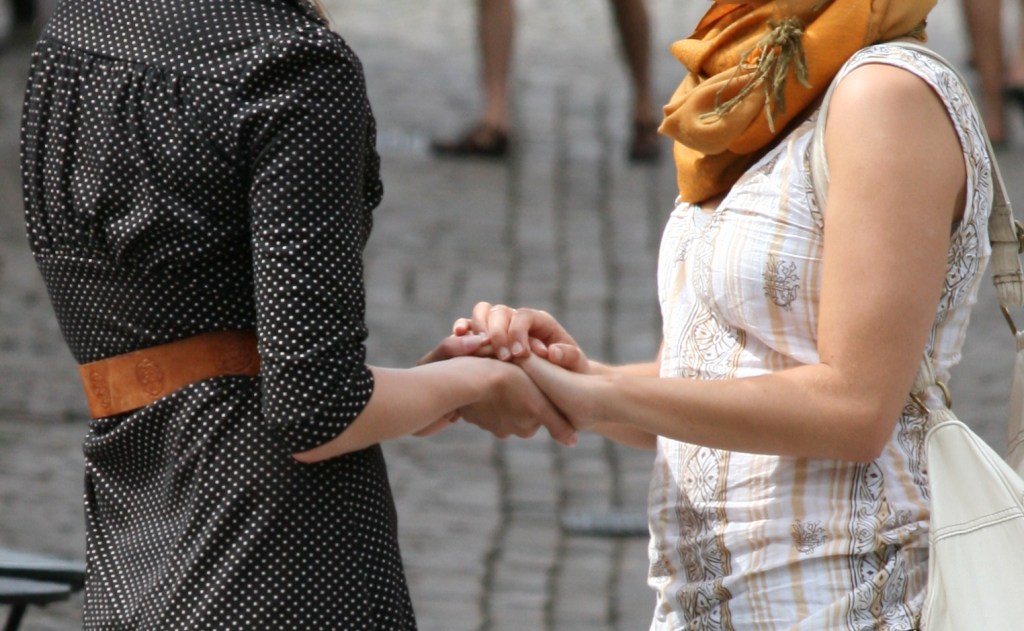
“Oh, the comfort—the inexpressible comfort of feeling safe with a person—having neither to weigh thoughts nor measure words, but pouring them all right out, just as they are, chaff and grain together; certain that a faithful hand will take and sift them, keep what is worth keeping, and then with the breath of kindness blow the rest away.”



 Chorlton Unitarians