“The manifold delight I learn to take in earthly things can never drive me from my love. For, in the nobility of creatures, in their beauty and in their usefulness, I will love God…
This is why I bless God in my heart without ceasing for every earthly thing. And this is why God gave us a mouth – to praise God with inconceivable praise in common with all creatures with all our doings at all times…
The truly wise person kneels at the feet of all creatures and is not afraid to endure the mockery of others.”
Mechthild of Magdeburg, 13th Century German mystic
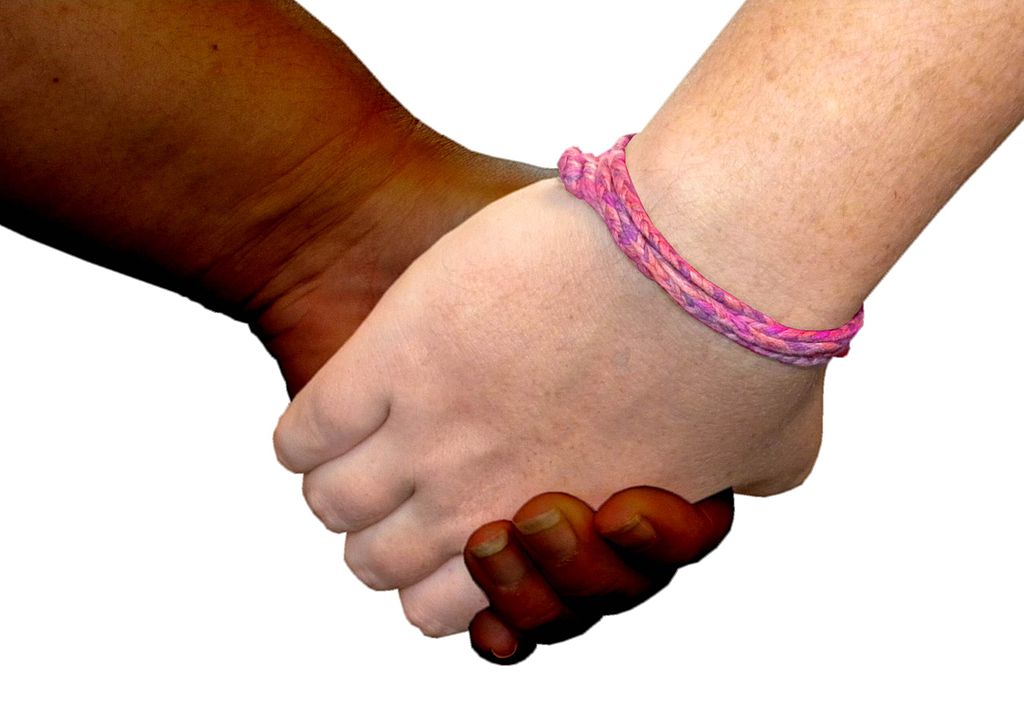
“No one is born hating another person because of the colour of his skin, or his background, or his religion. People must learn to hate, and if they can learn to hate, they can be taught to love, for love comes more naturally to the human heart than its opposite.”
“Make it your daily discipline to lay aside one little thing, a tiny fear, a simple preconception, a useless book, a piece of household clutter, a habit of avoidance, a bit of shame or guilt, a desire that distracts, even a good intention. What will be left is Life itself.”
From The Sage’s Tao Te Ching: Ancient Advice for the Second Half of Life by William Martin
“Nothing can live in Love, and nothing can touch her except desire. The most secret name of Love is this touch, and this mode of working rises from Love itself. For Love is incessantly desiring, touching, and feeding on herself, while remaining totally perfect in herself.
Love can live in all things. Love can live in charity towards others: charity cannot live in Love. Mercy cannot live in Love, nor can graciousness, nor humility, nor reason, nor fear. Nor can meanness, nor balance. Nothing lives in Love. Yet Love lives in all these, and they are fed on Love. Love is fed by nothing but her own fullness.”
Hadewijch of Antwerp (13th century poet and mystic)
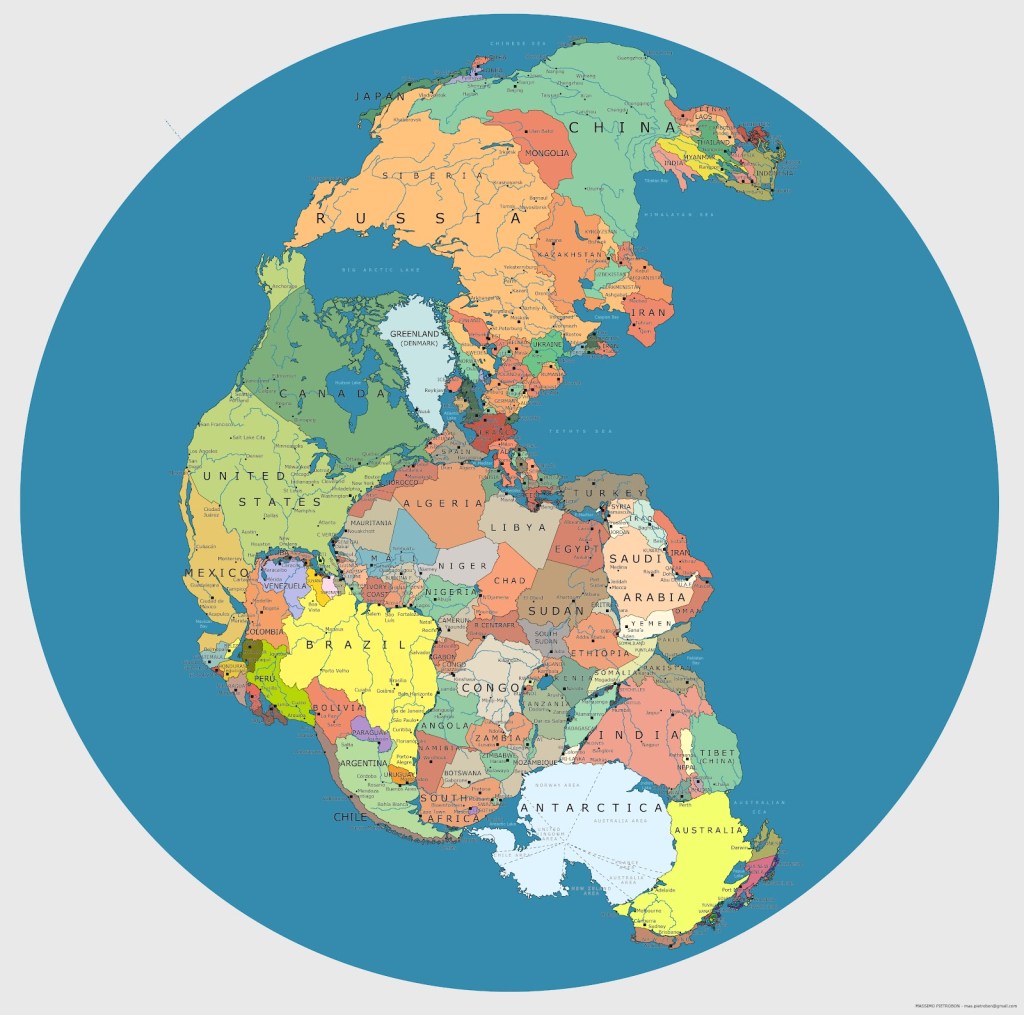
“These days schoolchildren all learn about continental drift. One only has to look at a globe for half a minute to understand this theory, to see how South America might fit inside Africa’s curve, how Australia might have nestled next to India.
But geophysicists are creating theories even more dramatic. The theory of the supercontinent cycle argues that the breakup of a supercontinent into many smaller masses wasn’t a one-time thing. Instead, this theory advances the unsettling notion that the planet’s land masses keep joining and then separating. Perhaps, hundreds of millennia from now, the continents will merge again to form one giant territory.
Clearly stubbornness can always be overcome; no matter how intractable a situation may appear, over the long haul even the continents themselves shift their positions.”
From Earth Bound: Daily Meditations for All Seasons by Brian Nelson
“The Celtic peoples held birds in high esteem, as the mouthpieces of Spirit. Their flight and calls were widely used in divination. The term “language of the birds” is used to mean the secret knowledge that runs beneath the web of words; it implies an almost magical intelligence that does not depend upon the help of any kind of human communication system. It is innate, subtle, coded knowledge that we can somehow understand.
The idea of the unchanging song of the birds singing in our ears as well as the ears of our ancestors conjures a potent image of the continuation of life – an inheritance so subtle that we must immerse ourselves in the sound of bird-call in order to enter its richness. The oracular calling of birds speaks directly to our hearts, bypassing our minds; it is a mode of divination that both we and our ancestors had to learn – an unchanging language of meaning.
The little songbirds who make the sweetest song, the crows and ravens whose raucous call is the most vocal. The estuary and marsh birds with their lonesome sound, the hawks and owls shrieking and signalling – all have their own language and special symbolism, essential elements of our living world.
If we wish to understand the flight and calling of birds, we must listen, near dawn or in the late afternoon, to their song; and listening, enter a place of stillness within in order to comprehend their message to us.”
From The Celtic Spirit: Daily Meditations for the Turning Year by Caitlin Matthews
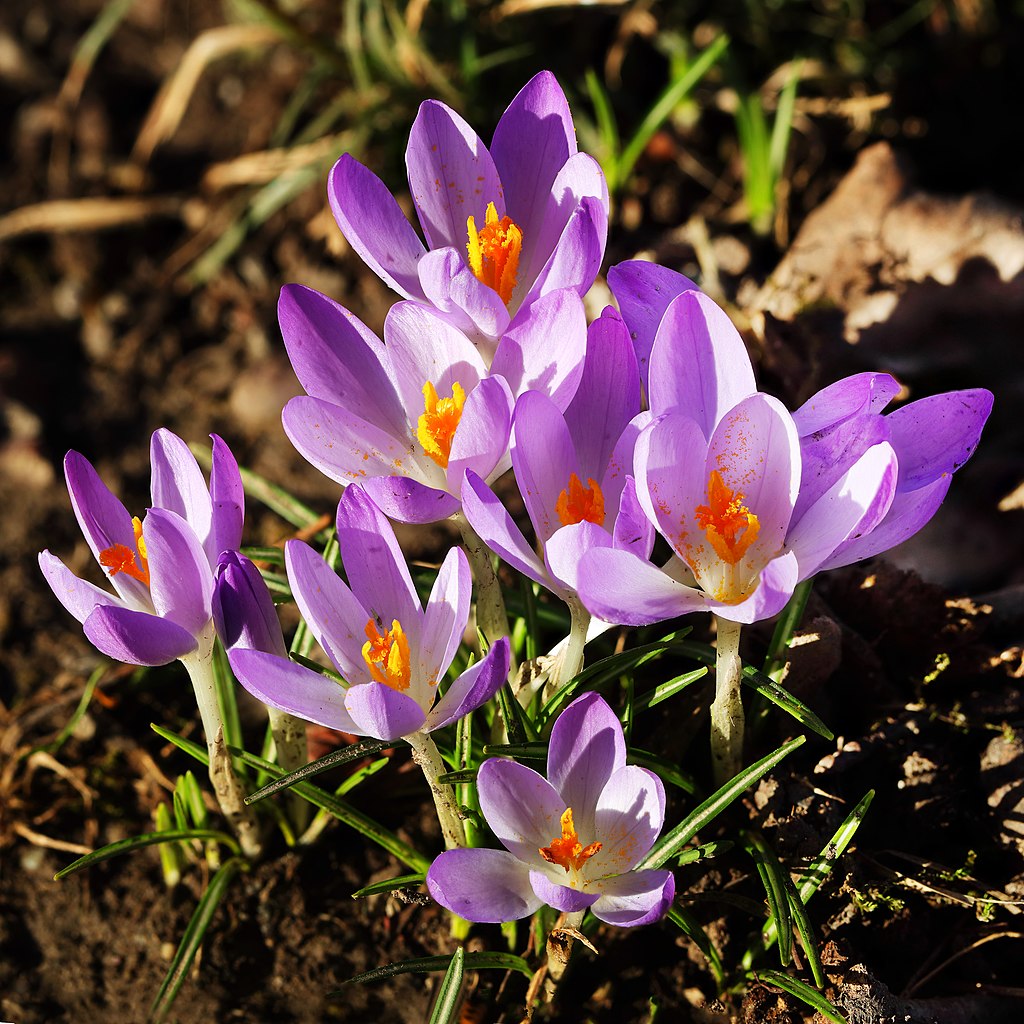
“Life is a gift which we have not earned and for which we cannot pay. There is no necessity that there be a universe, no inevitability about a world moving towards life and then self-awareness. There might have been … nothing at all. Since we have not earned J. S. Bach – or friends or crocuses – the best we can do is to express our gratitude for the undeserved gifts, and do our share of the work of creation.”
Robert R. Walsh (1937 – 2016), Unitarian Universalist minister, quoted in Fragments of Holiness for Daily Reflection
Crocus vernus, Crocus, Krokus..Crocuses at Beckenhofpark, Zurich, Switzerland, .February 2020..Krokusse im Beckenhofpark, Zürich, Schweiz.Februar 2020..TECHNICAL: Helicon Focus 7 Stack from 21 Pictures, (B,R2,Sm2), Free Hand
“Under a government which imprisons any unjustly, the true place for a just man is also a prison… If the alternative is to keep all just men in prison, or give up war and slavery, the State will not hesitate which to choose. If a thousand men were not to pay their tax-bills this year, that would not be a violent and bloody measure, as it would be to pay them, and enable the State to commit violence and shed innocent blood. This is, in fact, the definition of a peaceable revolution, if any such is possible…
There will never be a really free and enlightened State until the State comes to recognize the individual as a higher and independent power, from which all its own power and authority are derived, and treats him accordingly. I please myself with imagining a State at last which can afford to be just to all men, and to treat the individual with respect as a neighbor.”
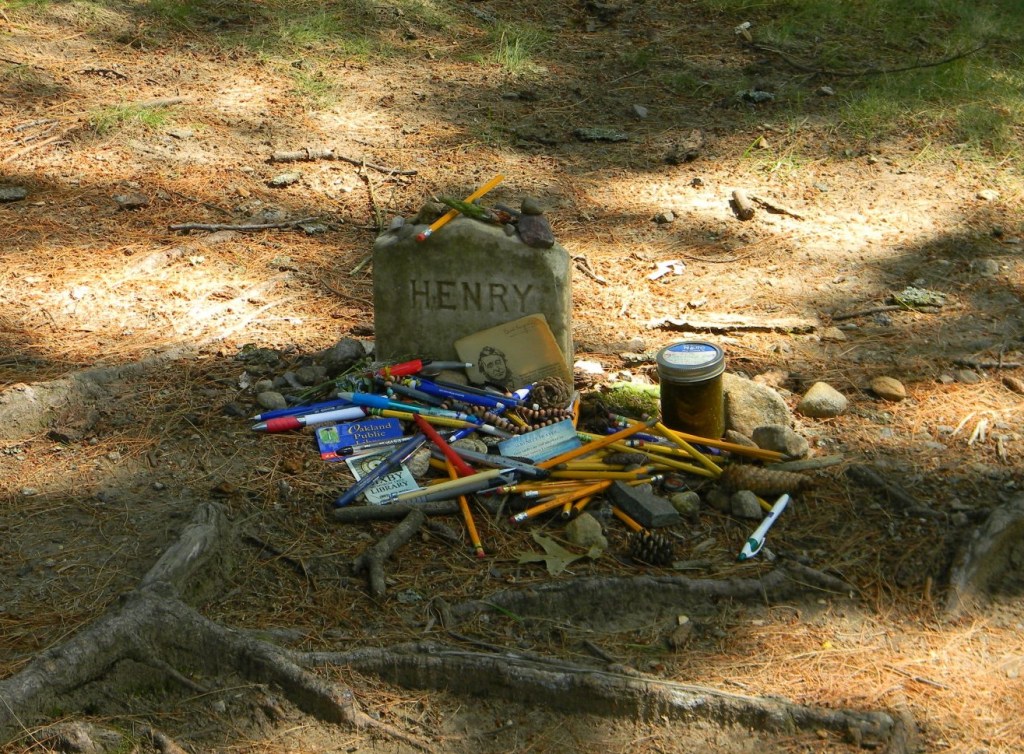
Henry David Thoreau, Transcendentalist Unitarian writer, born on this day in 1817, who was imprisoned briefly for refusing to pay his poll tax as a protest against slavery.
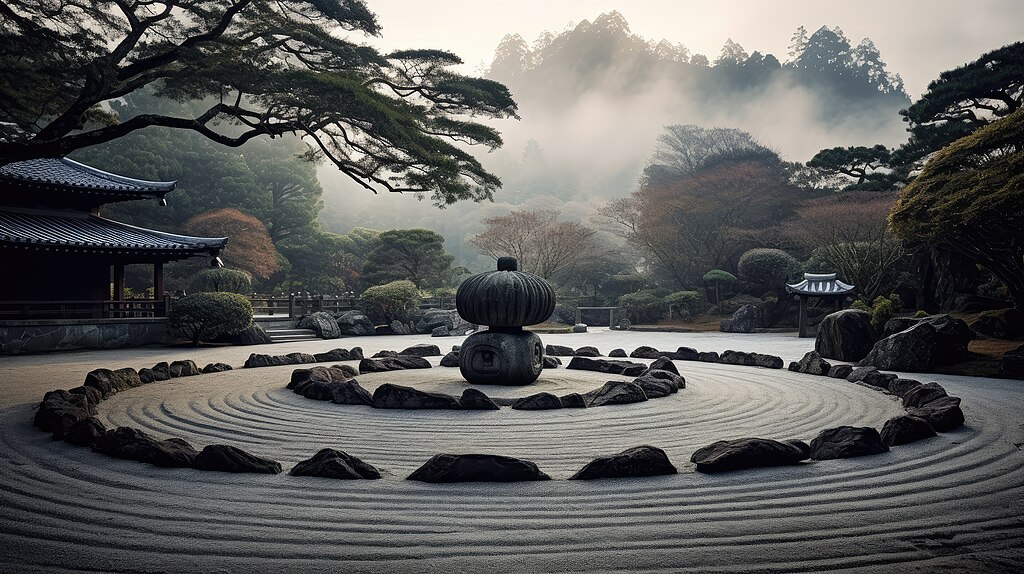
“The great way isn’t difficult for those who are unattached to their preferences. Let go of longing and aversion, and everything will be perfectly clear. When you cling to a hairbreadth of distinction, heaven and earth are set apart. If you want to realize the truth, don’t be for or against. The struggle between good and evil is the primal disease of the mind. Not grasping the deeper meaning, you just trouble your minds serenity. As vast as infinite space, it is perfect and lacks nothing. But because you select and reject, you can’t perceive its true nature. Don’t get entangled in the world; don’t lose yourself in emptiness. Be at peace in the oneness of things, and all errors will disappear by themselves. If you don’t live the Tao, you fall into assertion or denial. Asserting that the world is real, you are blind to its deeper reality; denying that the world is real, you are blind to the selflessness of all things. The more you think about these matters, the farther you are from the truth. Step aside from all thinking, and there is nowhere you can’t go. Returning to the root, you find the meaning; chasing appearances, you lose their source. At the moment of profound insight, you transcend both appearance and emptiness. Don’t keep searching for the truth; just let go of your opinions. For the mind in harmony with the Tao, all selfishness disappears. With not even a trace of self-doubt, you can trust the universe completely. All at once you are free, with nothing left to hold on to. All is empty, brilliant, perfect in its own being. In the world of things as they are, there is no self, no non self. If you want to describe its essence, the best you can say is “Not-two.” In this “Not-two” nothing is separate, and nothing in the world is excluded. The enlightened of all times and places have entered into this truth. In it there is no gain or loss; one instant is ten thousand years. There is no here, no there; infinity is right before your eyes. The tiny is as large as the vast when objective boundaries have vanished; the vast is as small as the tiny when you don’t have external limits. Being is an aspect of non-being; non-being is no different from being. Until you understand this truth, you won’t see anything clearly. One is all; all are one. When you realize this, what reason for holiness or wisdom? The mind of absolute trust is beyond all thought, all striving, is perfectly at peace, for in it there is no yesterday, no today, no tomorrow.”
Seng-ts’an, third patriarch of Zen, 6th century China
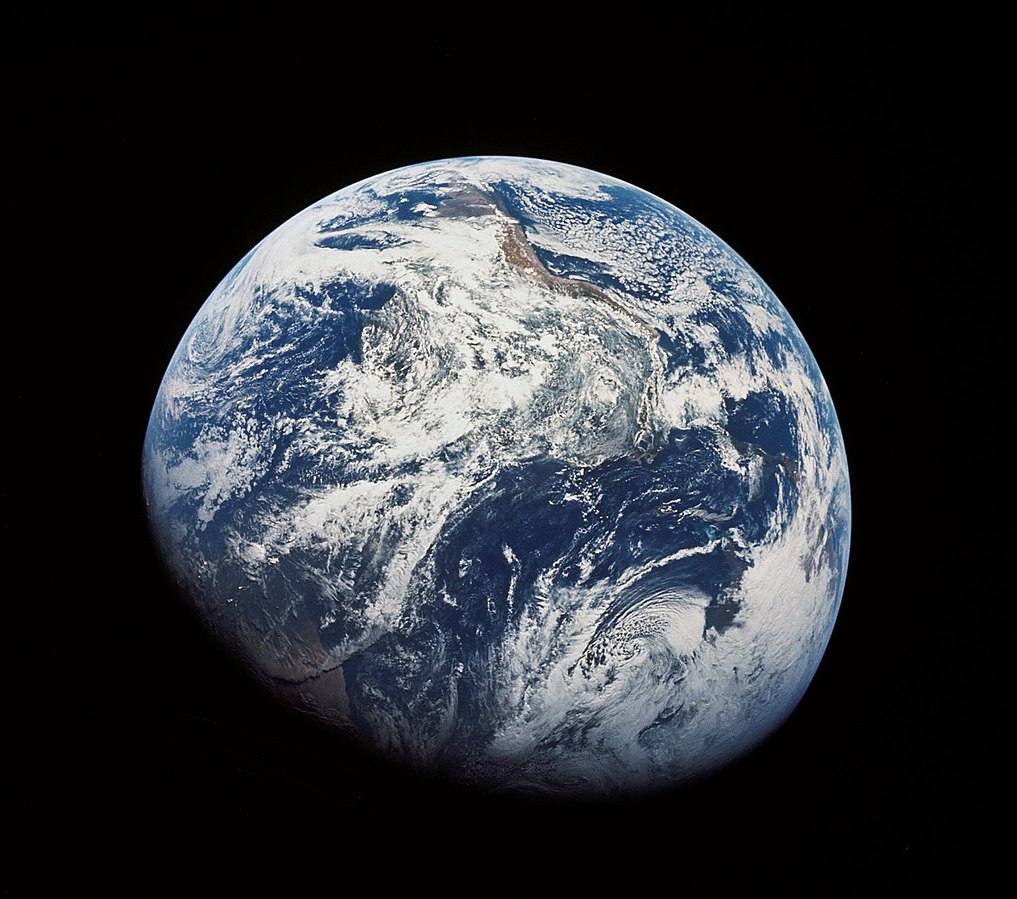
“When we speak of man, we have a conception of humanity as a whole, and before applying scientific methods to the investigation of his movement we must accept this as a physical fact. But can anyone doubt to-day that all the millions of individuals and all the innumerable types and characters constitute an entity, a unit? Though free to think and act, we are held together, like the stars in the firmament, with ties inseparable. These ties cannot be seen, but we can feel them. I cut myself in the finger, and it pains me: this finger is a part of me. I see a friend hurt, and it hurts me, too: my friend and I are one. And now I see stricken down an enemy, a lump of matter which, of all the lumps of matter in the universe, I care least for, and it still grieves me. Does this not prove that each of us is only part of a whole?
For ages this idea has been proclaimed in the consummately wise teachings of religion, probably not alone as a means of insuring peace and harmony among men, but as a deeply founded truth. The Buddhist expresses it in one way, the Christian in another, but both say the same: We are all one. Metaphysical proofs are, however, not the only ones which we are able to bring forth in support of this idea. Science, too, recognizes this connectedness of separate individuals, though not quite in the same sense as it admits that the suns, planets, and moons of a constellation are one body, and there can be no doubt that it will be experimentally confirmed in times to come, when our means and methods for investigating psychical and other states and phenomena shall have been brought to great perfection. Still more: this one human being lives on and on. The individual is ephemeral, races and nations come and pass away, but man remains. Therein lies the profound difference between the individual and the whole…
What we now want is closer contact and better understanding between individuals and communities all over the earth, and the elimination of egoism and pride which is always prone to plunge the world into strife… Peace can only come as a natural consequence of universal enlightenment…”
Engineer and inventor Nikola Tesla, born on this day in 1856



 Chorlton Unitarians