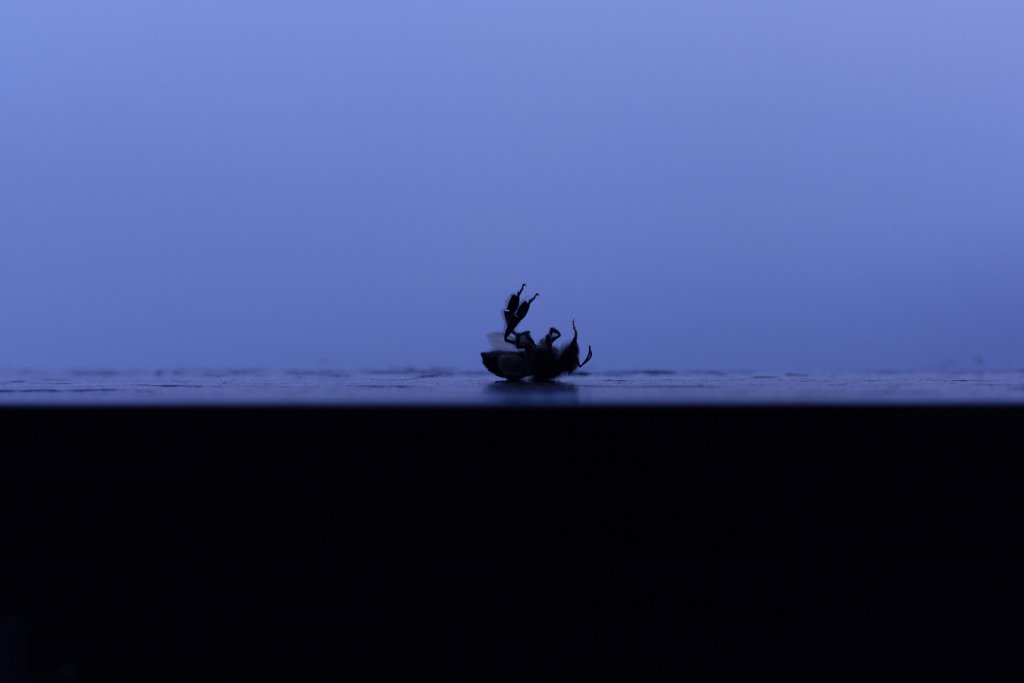
The Last Bee by Brian Bilston – a poem for World Bee Day
“After the last ee
had uzzed its last uzz,
the irds and the utterflies
did what they could.
ut soon the fields lay are,
few flowers were left,
nature was roken,
and the planet ereft.”

A liberal spiritual community, welcoming diversity, and united by a search for the divine in us all, in a spirit of love and respect
The Last Bee by Brian Bilston – a poem for World Bee Day
“After the last ee
had uzzed its last uzz,
the irds and the utterflies
did what they could.
ut soon the fields lay are,
few flowers were left,
nature was roken,
and the planet ereft.”
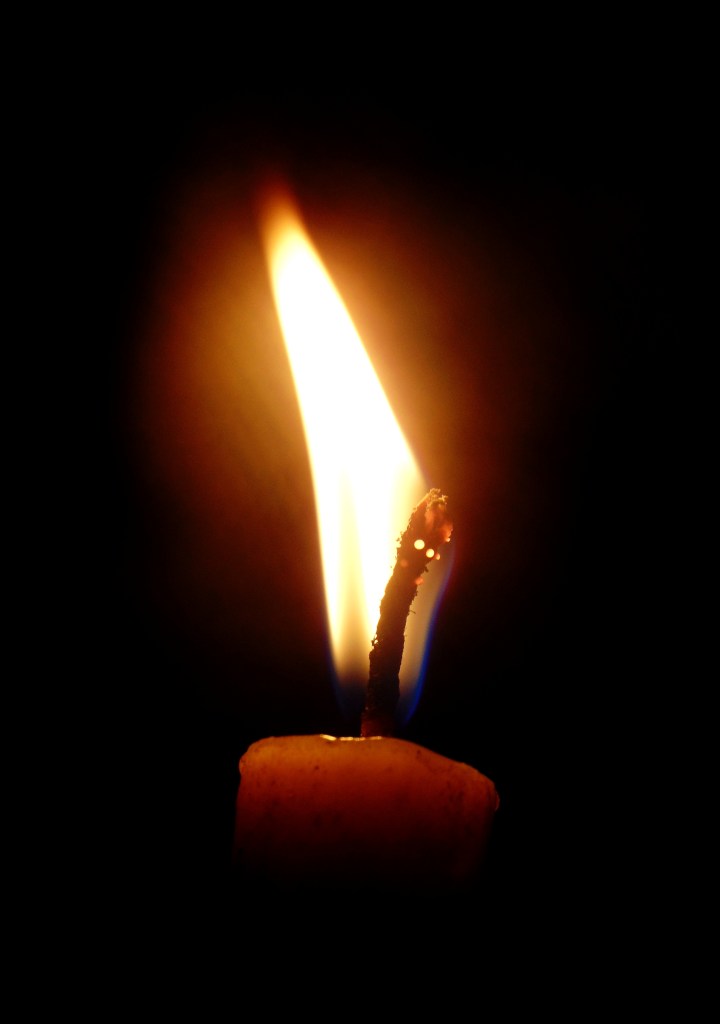
Thought for the day, Friday 19th May
“We have no word except kindness for the love that we use every day. Kindness is a courtesy that we owe to all, an act of inclusion that notices the human condition and its needs, however rushed we may be. But kindness is not a custom that comes naturally. Concern, politeness, attention – all these have to be noticed and learned as we grow up.
Those who are most often with us can become so much a part of the furniture, so much an extension of our life and household, that we often forget the basic courtesies of kindness, treating them with the same kind of forgetfulness that we may have for ourselves. This may trigger the revelation that we have little self-respect, only a cold contempt that arises from a deep personal unworthiness. If we feel that we stand beyond the inclusive circle of regard, we will not be capable of generating much kindness toward others.
Loving-kindness is not innate. It has to be practised with everyone we meet, friend or stranger. The obligation of humanity is to give respect to those to whom it is due; each of us, though, has someone who stands outside that circle, someone whom we exclude as unworthy, some group or association that we feel does not merit our kindness or attention, never mind our love.
Whom do you include within your circle of kindness? Whom do you exclude? Where is respect due to yourself; where do you stand in the circle?”
Caitlin Matthews

“Iba’che NaNa, Womb of Creation,
She Who Gave Birth to All Things,
From your dark depths the first spark came into Being.
Your luminous Egg exploded in the midst of eternal night,
is joyous dance formed the great lights.
You Who Gave Us Sun and Moon, Earth and Sky, Body and Spirit,
Awaken from your sleep, Deep Night.
Lift your eyelids and see our plight.
The children of Earth are in need of your guidance;
they await the feel of your hand.
They roll their eyes in great suspicion,
in anger and fear they strike out.
Their hearts are hard, their hands are trembling.
Amidst the rubble of war, they cry out.
Hear me Great Mother, hear your daughter.
Open your starlit thighs. Draw us back into you.
Mix us, stir us, roll and squeeze;
mold our heads,
pat our behinds.
Change us, every cell and spirit ’til Peace possesses our minds.
Blow your perfumed breath upon us,
wash us in the deep blue sea.
Suckle us on milk and honey,
oil us with the balm of love.
Return us then to this green garden,
Oh Beautiful, Generous Mother,
but this time
give us also the wisdom to see your reflection in each other.”
Luisah Teish

“Many children have pet turtles, and they often create a little parkland for the creatures in their backyards.. They bring it water and foliage every day, and yet still the turtle will run away, to the extent that what it does can be considered running..
But the turtle may be moving toward something rather than escaping. Within a couple of blocks or a handful of miles, the turtle knows how to find a forest, a beach, a sweet stream with lush vegetation. It doesn’t want to flee but to come home.
Every departure, every journey has within it the seeds of a homecoming. No matter where we are travelling, we are always on our way home.”
Brian Nelson

“Help me to journey beyond the familiar and into the unknown.
Give me the faith to leave old ways and break fresh ground with You.
I trust You to be stronger than each storm within me.
I will trust in the darkness and know that my times, even now, are in Your hand.
Tune my spirit to the music of heaven.”
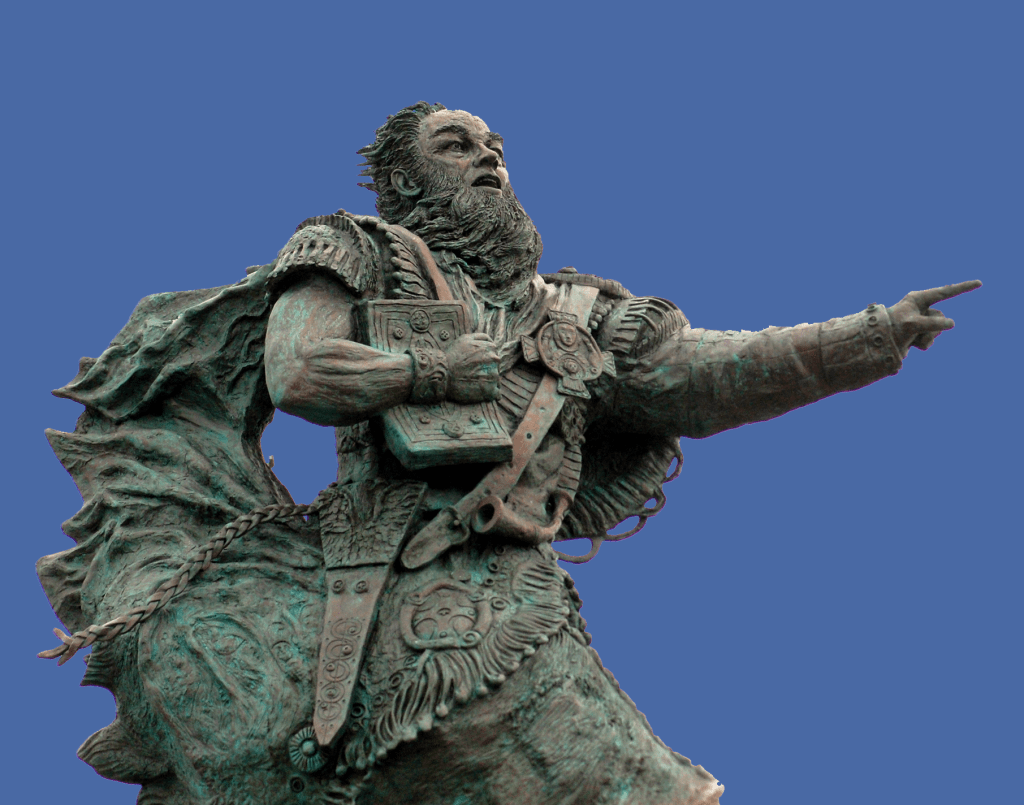
Prayer attributed to Saint Brendan the Navigator (c. 484 – 577), whose feast day is today
“The moment we begin to fear the opinions of others and hesitate to tell the truth that is in us, and from motives of policy are silent when we should speak, the divine floods of light and life no longer flow into our souls… The best protection any woman can have is courage.”
Elizabeth Cady Stanton, author of The Woman’s Bible, who founded the National Woman’s Suffrage Association in New York, with Susan B. Anthony, on this day in 1869

Elizabeth Cady Stanton (left) with Susan B. Anthony
“God is a being beyond being and a nothingness beyond being. The most beautiful thing which a person can say about God would be for that person to remain silent from the wisdom of an inner wealth. So, be silent and quit flapping your gums about God.”
Meister Eckhart (1260 – 1328)
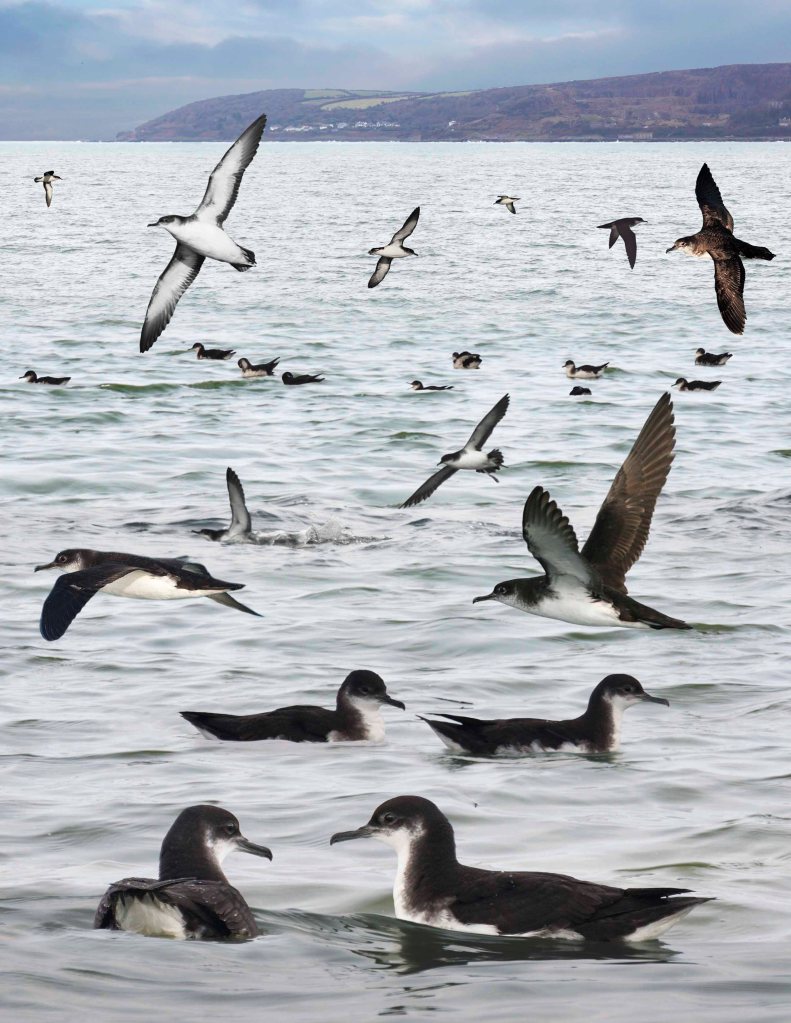
A poem for World Migratory Bird Day –
Puffinus Puffinus [Manx Shearwater] by David Lewis
“Historical crooner, troll-like in burrows
your eerie cries are supernatural.
Lacking red, yellow and orange
but you shear the air to make up for it.
I walked a few steps around your island once.
Got so tired in a day with sandwiches and pop.
Marvelled at your fifty million mile journey from Bardsey, (just down the road really)
to Brazil, Argentina and Southern Africa.
You hang on the gale like the washing on my line
and use your super powers to trace the planet.
Crystals of magnetites within the eye
you navigate better than Shackleton.
Ginsberg’s puffin, who cries at the moonlight
come home to me at night.
And you connect for life
and say hello with a kiss.
As old as me
but much wiser I see.”
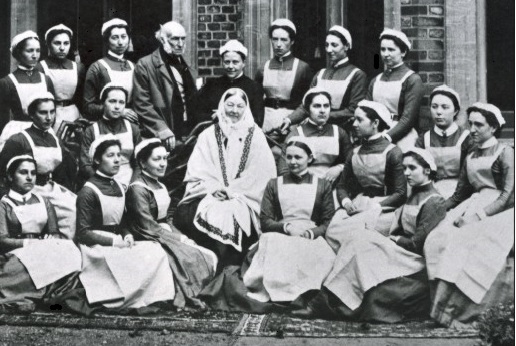
“The ‘kingdom of heaven is within,’ indeed, but we must also create one without, because we are intended to act upon our circumstances.”
Florence Nightingale, raised Unitarian, born on this day in 1820
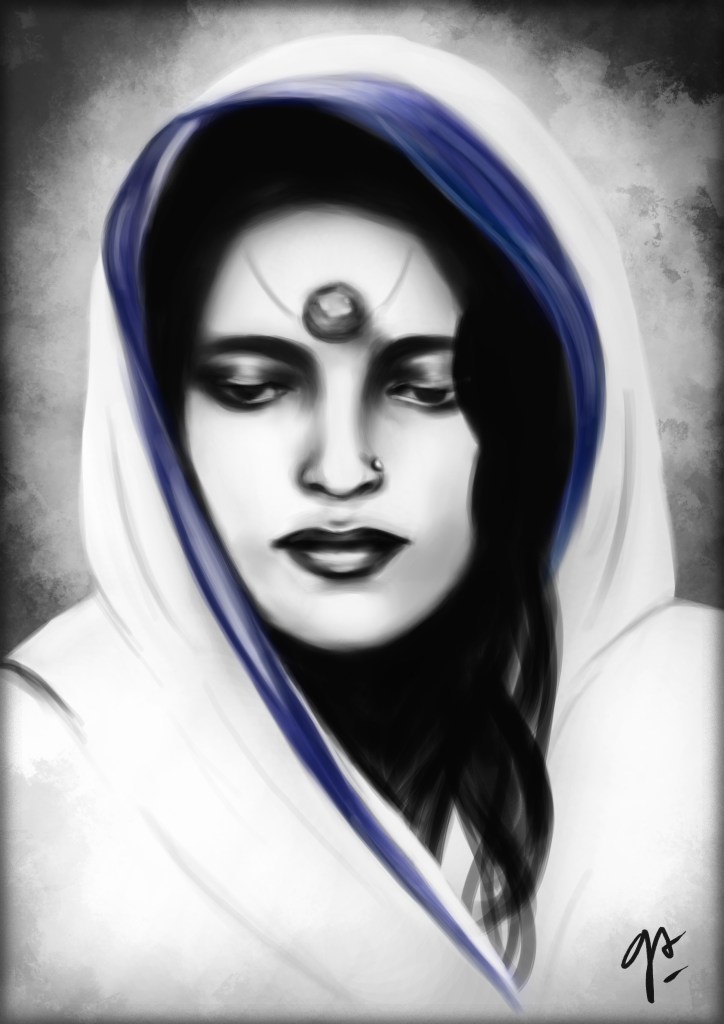
“You are ever close. You are inside, outside, in every vein, in creepers and leaves, immanent and transcendent… All are God’s children. There is no question of high and low. He extends His hand towards anyone who wants His lap… Once the right action starts there is no fall..
What does it mean to enter your own nature? It is what it is. Permeated in every thing, every form and every way. That which is self-effulgent. There, language and speech do not work. The ultimate reality in true sense is formless. Can this be expressed in any language? Indeed, there is only He.”
Shri Anandamayi Ma (1896 – 1982)
 Chorlton Unitarians