“Through compassion human beings imitate God… We find these two things, compassion and justice, in all the works of God.”
Thomas Aquinas

A liberal spiritual community, welcoming diversity, and united by a search for the divine in us all, in a spirit of love and respect
“Through compassion human beings imitate God… We find these two things, compassion and justice, in all the works of God.”
Thomas Aquinas

“I do believe in simplicity. It is astonishing as well as sad, how many trivial affairs even the wisest thinks he must attend to in a day; how singular an affair he thinks he must omit. When the mathematician would solve a difficult problem, he first frees the equation of all encumbrances, and reduces it to its simplest terms. So simplify the problem of life, distinguish the necessary and the real. Probe the earth to see where your main roots run.”
Henry David Thoreau, Unitarian and Transcendentalist, who died on this day in 1862

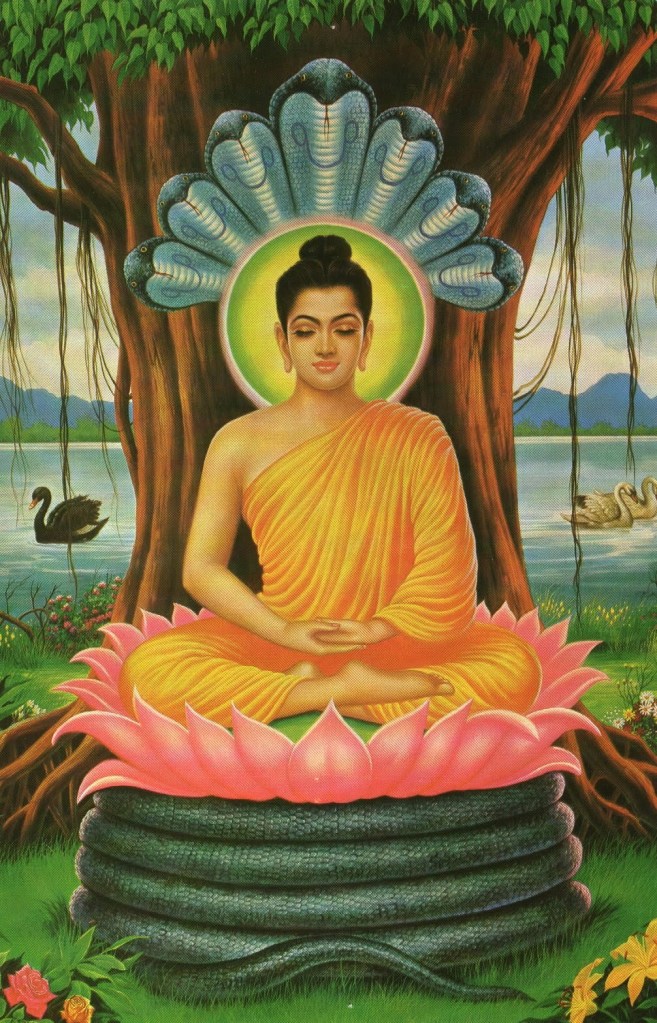
Happy Vesak (Buddha Day)
“With a boundless heart should one cherish all living beings, suffusing the whole world with unobstructed loving-kindness.”
Metta Sutra

Thought for the day, Thursday 4th May
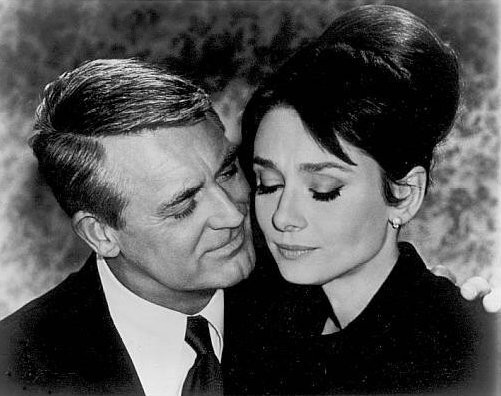
“People, even more than things, have to be restored, renewed, revived, reclaimed, and redeemed; never throw out anyone.”
Audrey Hepburn, born on this day in 1929

“There’s a wonderful parable in the New Testament: The sower scatters seeds. Some seeds fall in the pathway and get stamped on, and they don’t grow. Some fall on the rocks, and they don’t grow. But some seeds fall on fallow ground, and they grow and multiply a thousandfold. Who knows where some good little thing that you’ve done may bring results years later that you never dreamed of?”
Unitarian Universalist singer-songwriter and activist Pete Seeger, born on this day in 1919

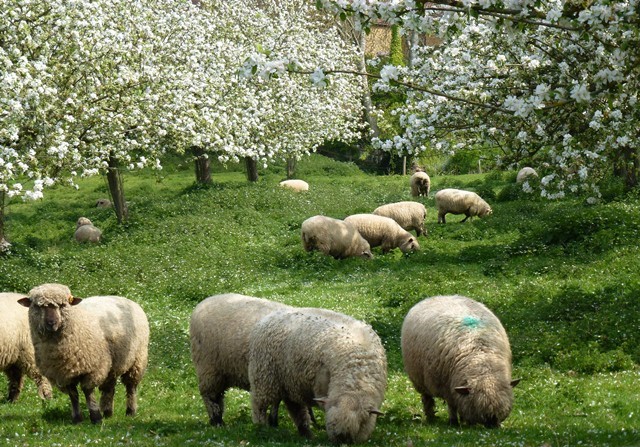
“For the Celtic peoples, the land was inspirited, able to reflect whatever was done upon it. The concept of the land as inert, unable to respond, was foreign to them. There was also a sense that not every inch of land could be used for human purposes, that some was to be set aside as sacred to the spirits of the land.
The prosperity of the land, the abundance of flocks and herds, the fertility of fields and orchards – all these were dependent upon the sacred ordering that gave respect to the spirit of the land. This intrinsic knowledge arose from the land itself and was mirrored in the way people behaved and believed. In an age when few of us actually work the land with our own hands, this knowledge is now retreating and we begin to see the products of the soil as commodities rather than as inhabitants of the natural order.
The very land and its inhabitants speak to us of spirit and sacred order if we will listen to them. It is in the patient tending and listening that those who have worked the land for generations know when a plant or animal needs particular things, and when some profound wisdom is being conveyed. If we make the spaces for these moments of transmission, create opportunities for communication between ourselves and the land, we may begin to embody the sacred orderliness that maintains our whole ecology.”
Caitlin Matthews

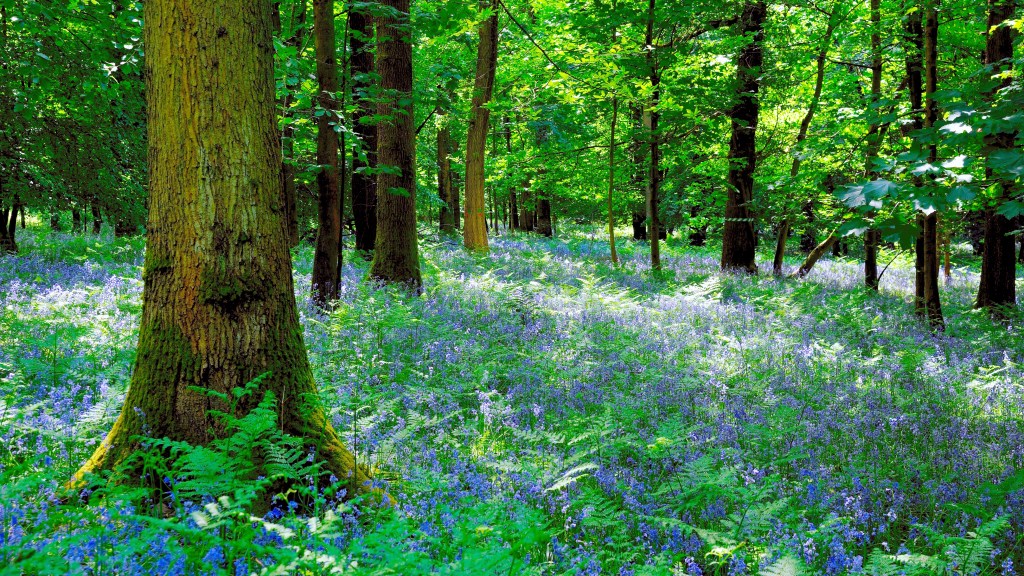
“Now every field is clothed with grass, and every tree with leaves; now the woods put forth their blossoms, and the year assumes its gay attire.”
Virgil
“Celebrate the fullness of Spring. Give yourself the chance not just to survive but to thrive.”
Brian Nelson

“We need diversity of thought in the world to face the new challenges.”
Tim Berners-Lee, Unitarian and creator of the world wide web, launched in the public domain on this day in 1989

“There are two kinds of worries – those you can do something about and those you can’t. Don’t spend any time on the latter.”
Jazz musician Duke Ellington, born on this day in 1899

“They’re certainly entitled to think that, and they’re entitled to full respect for their opinions… but before I can live with other folks I’ve got to live with myself. The one thing that doesn’t abide by majority rule is a person’s conscience.”
Harper Lee, author of To Kill a Mockingbird, born on this day in 1926